Style
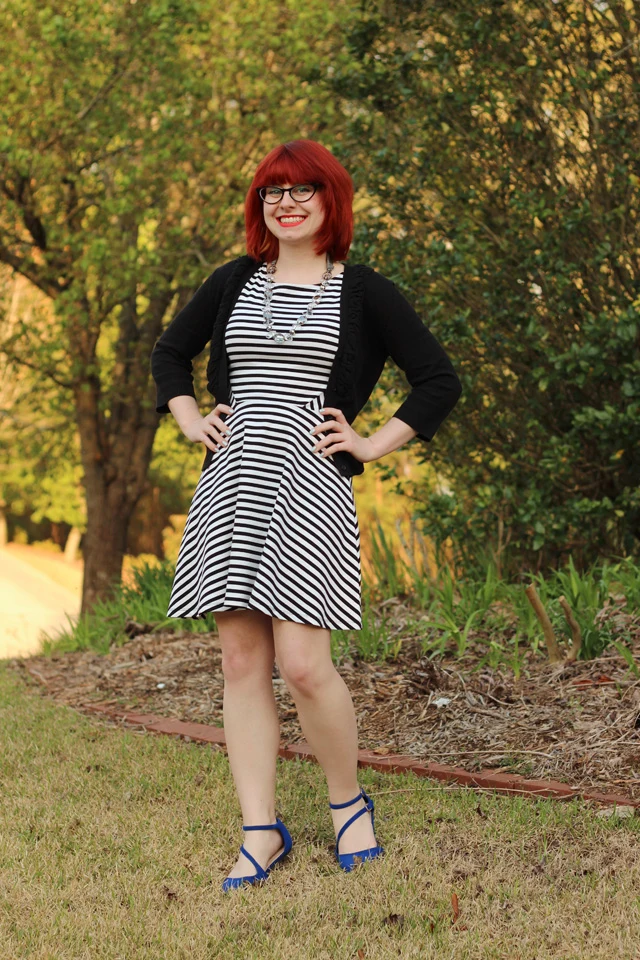
A tonal outfit can change surface without adding another color
Two documented ensembles show how pleats, buttons and layered edges can keep a restrained color story visually active.
Less hurry. More lovely.
The Hello Willow Days archive
Two documented ensembles show how pleats, buttons and layered edges can keep a restrained color story visually active.
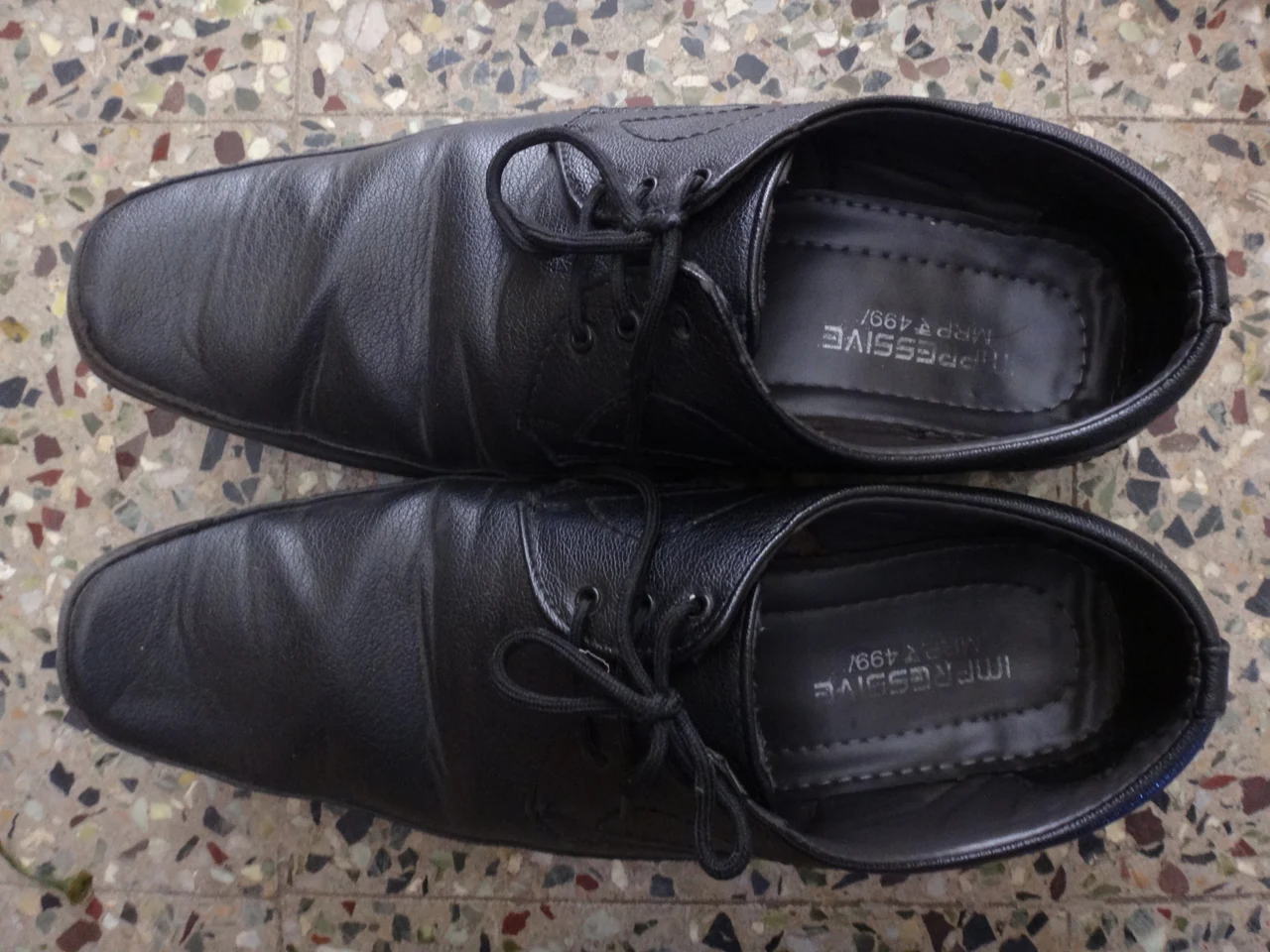
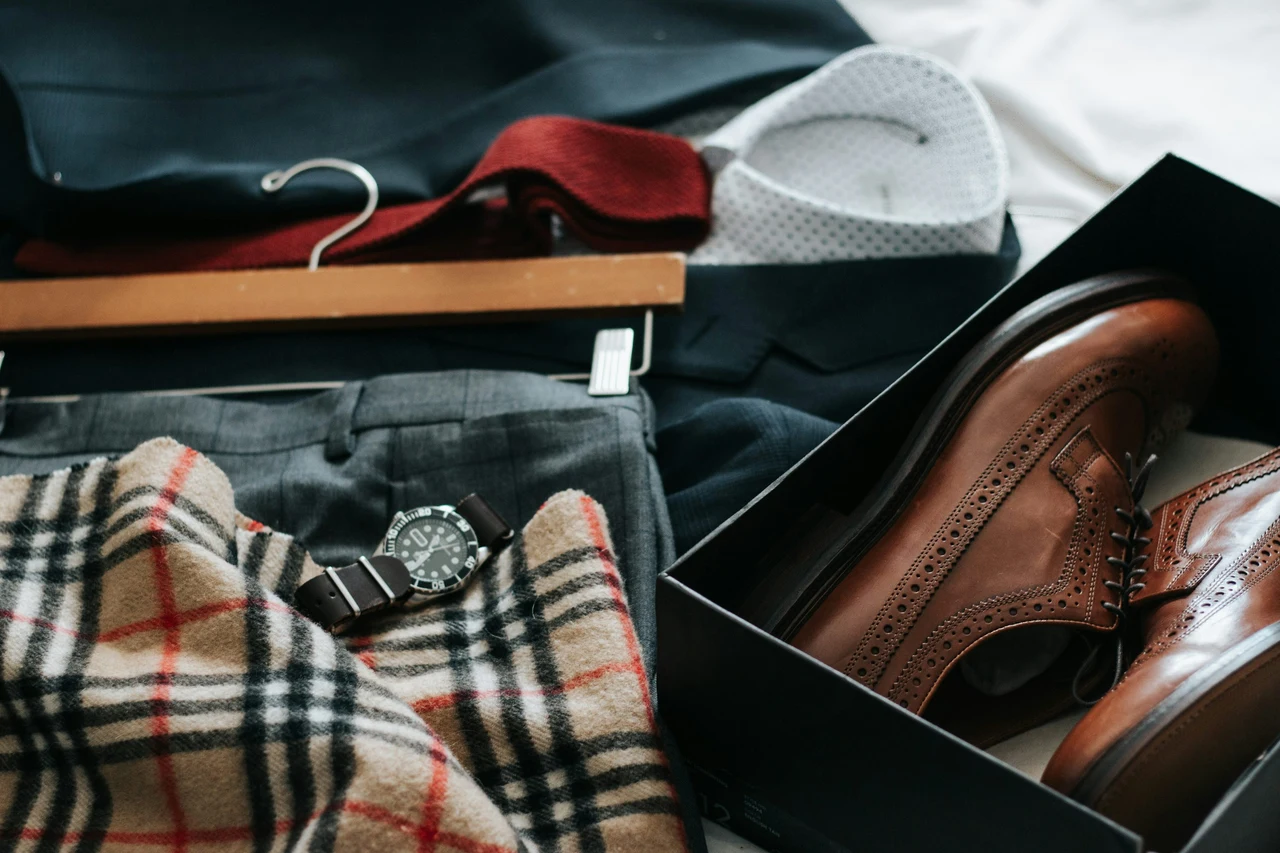
Keep the clothes and shoe shape fixed, then consider the different visual ending made by a light or dark shoe.
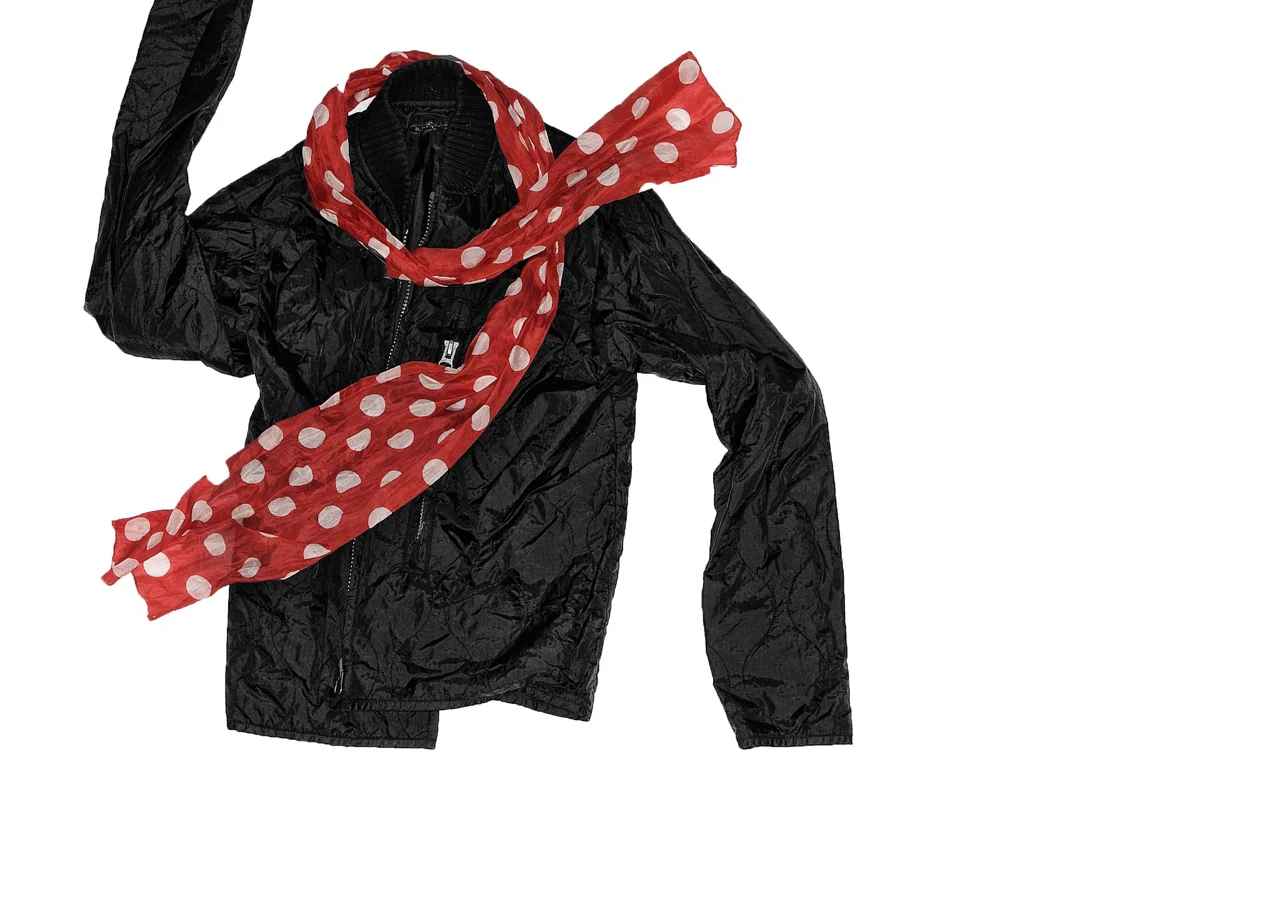
One imagined base outfit takes two directions: a draped outer layer and a crisp overshirt, each with a different reason to choose it.
A Kenzo ensemble and a documented Bill Gibb outfit offer two different questions about scale, direction and repeated color.
Two imagined wardrobes give a favorite color different jobs: a small recurring note and the main field of an outfit.
Two museum-documented ensembles suggest ways to connect distinct upper and lower garments without pretending they share one suit fabric.
Two fictional wardrobes explore when a familiar accessory expresses identity and when repetition begins to feel compulsory.
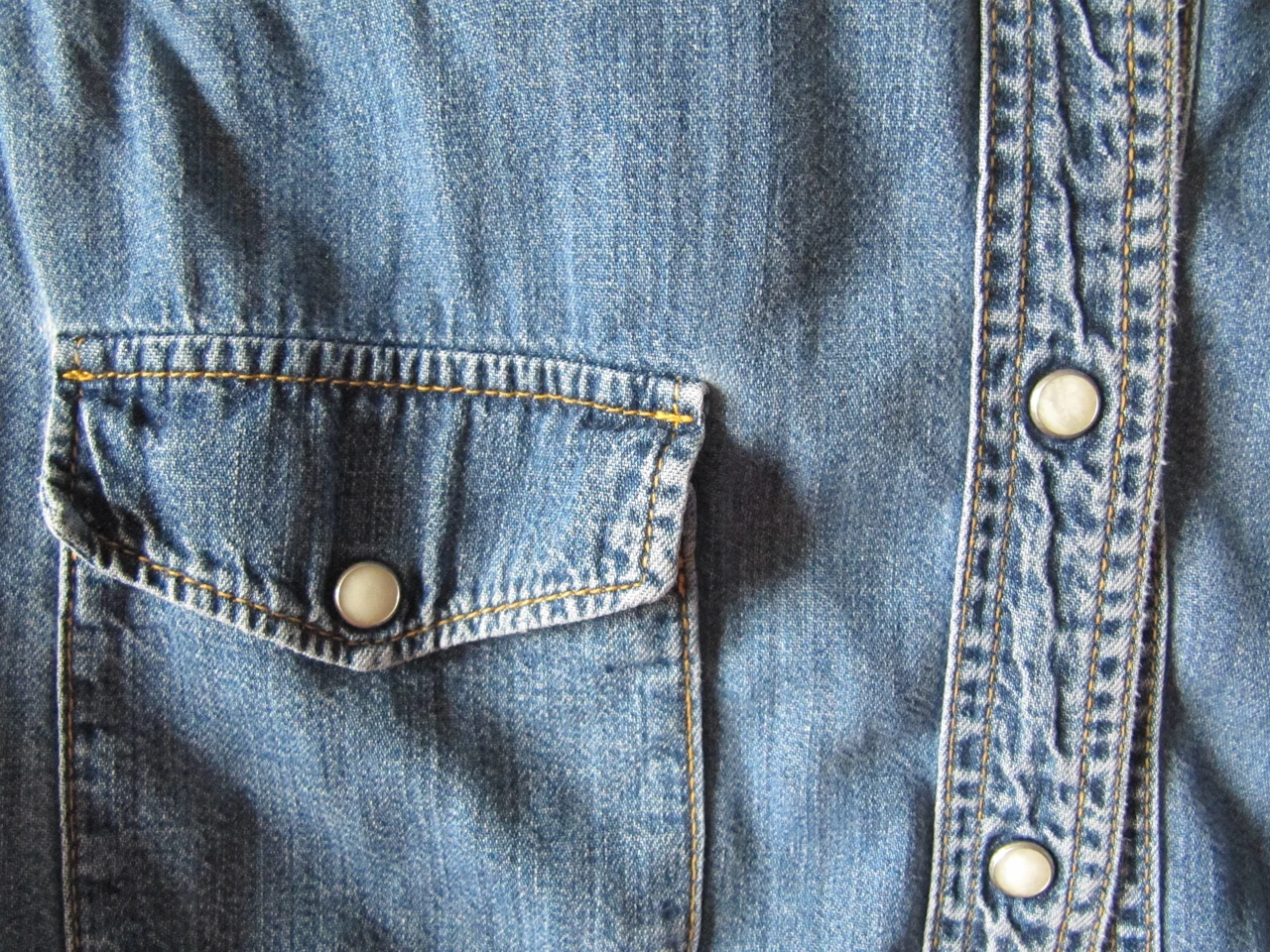
A worked supplier enquiry records a remaining shirt button’s diameter and construction, rather than treating a similar pearl-colored face as a confirmed replacement.
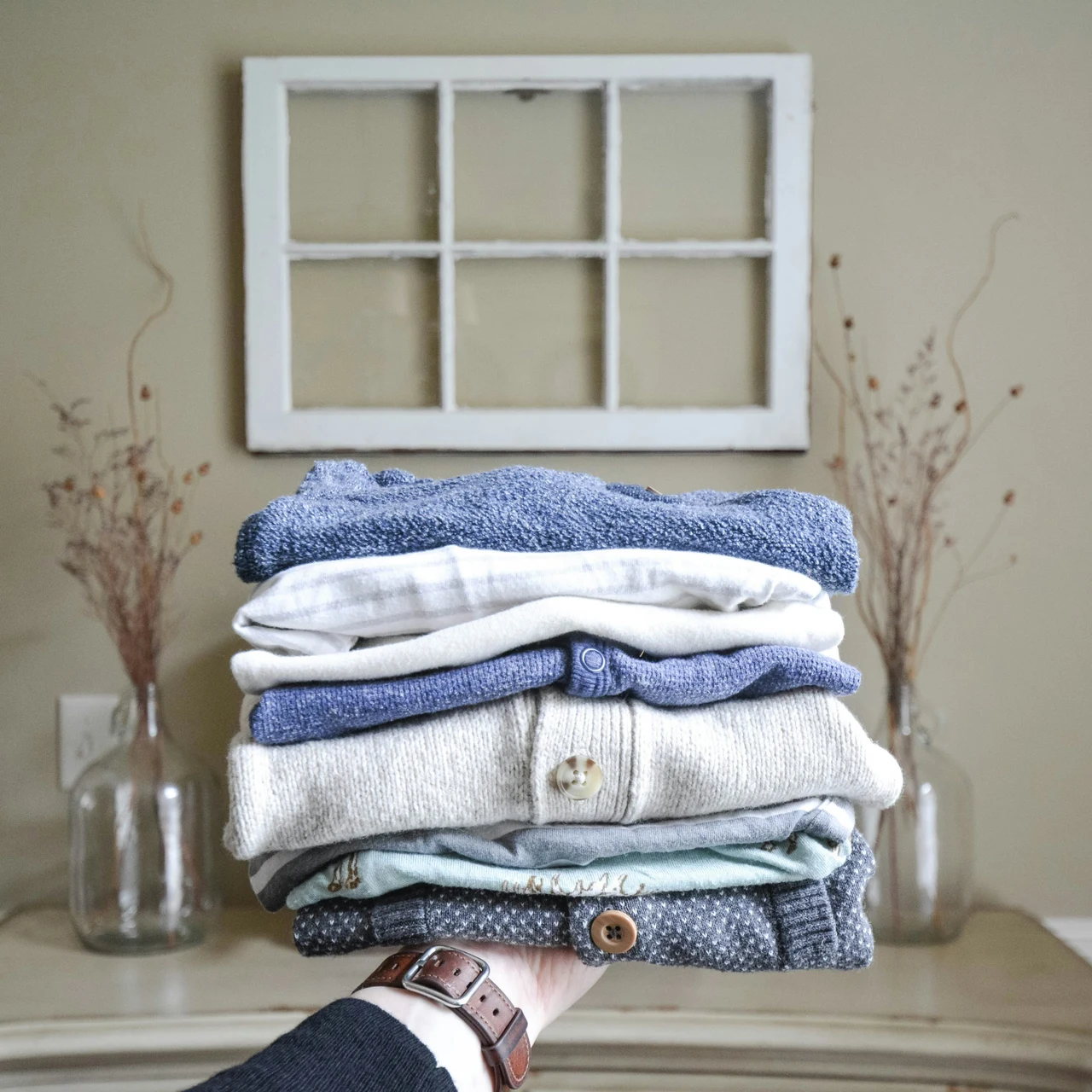
Compare a broad folded layer and a narrower stack using a fictional shelf, while keeping actual wool-care advice separate from the assumed dimensions.
Use Zappos US return conditions to plan a cautious first fitting without assuming that an indoor try-on automatically preserves eligibility.
A named cotton voile listing and an original rectangle example separate the length bought, the width listed and the space a cutting layout actually needs.
Create one complete private care-information record that stays connected to the exact garment, including reverse sides and separately instructed components.