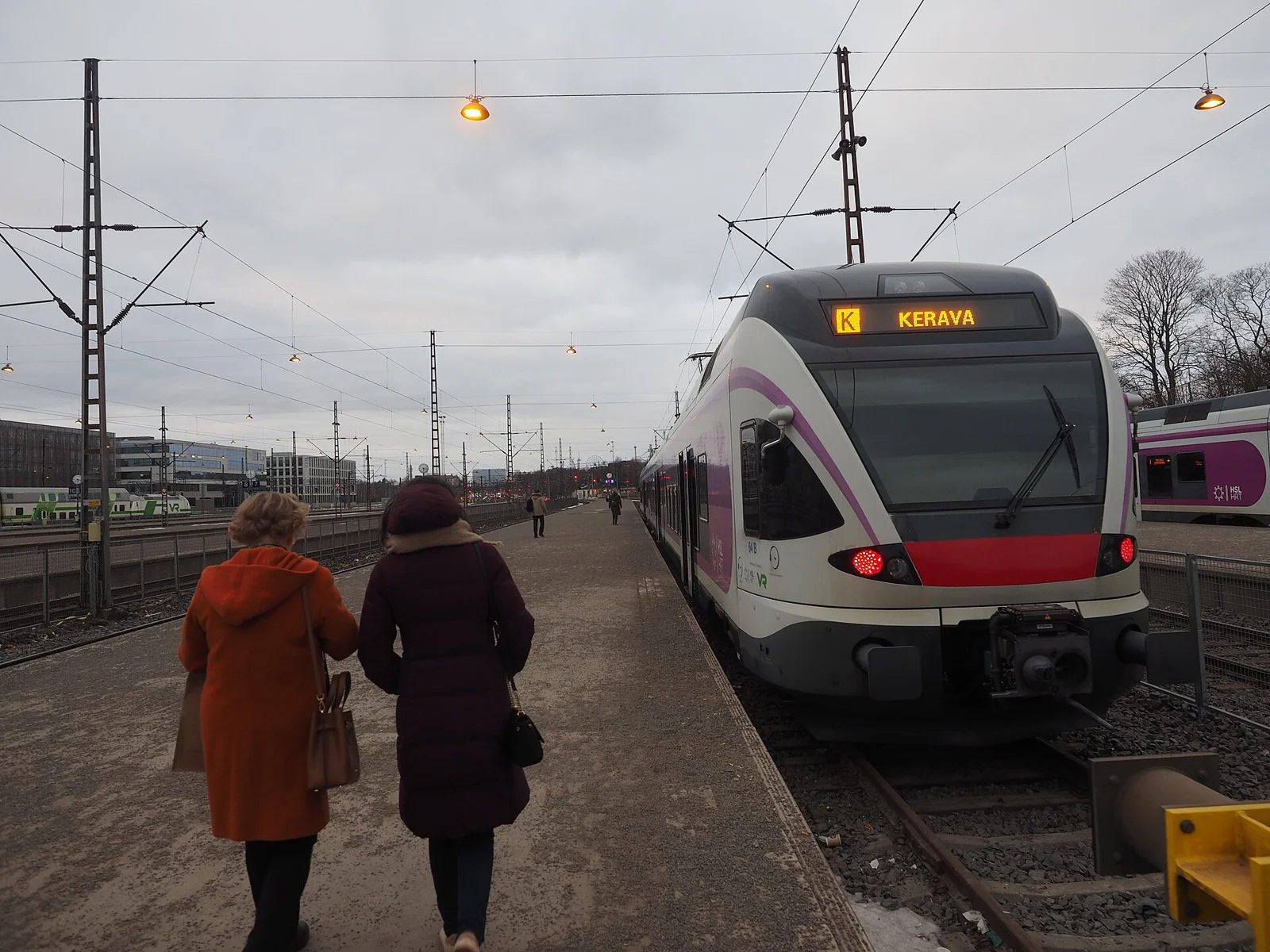
A late train can make the first evening of a short city break feel much shorter than the booking suggests. The useful preparation is not another packing list. It is knowing how you will reach the hotel, whether your actual arrival is accepted, and what remains possible once you get there. Before paying for two nights, connect the train's scheduled arrival with the property's check-in arrangements and a realistic first-evening plan. Keep the result small enough to read while traveling.
| Arrival-card field | What to confirm |
|---|---|
| Reserved night | The actual booked date, including after-midnight arrival. |
| Latest check-in | The property's agreed cutoff and late-entry procedure. |
| Transfer | A workable station-to-door route at the expected hour. |
| Food | A confirmed option or a realistic fallback before arrival. |
| Delay contact | The event that triggers a direct update to the property. |
| Departure | Checkout time, station journey and any agreed bag storage. |
Confirm the date and the latest accepted arrival
Ask the selected property how to handle the time you expect to reach reception, including an arrival after midnight. Confirm which booking date applies and what contact or access procedure is required. Do not assume a late train changes the reservation automatically. Wyndham's FAQ provides a useful example: it tells guests to note a known late arrival and to contact the hotel directly if arrival is on the next day. That is provider-specific guidance, not a guarantee that every hotel has the same reception or reservation arrangements.
Plan the station-to-hotel leg at that hour
Check the station entrance or exit you expect to use and the current transport available after the train arrives. A daytime route suggestion may depend on a connection that is no longer practical late at night. Confirm relevant access needs, pickup arrangements, and the actual destination address. Compare a suitable paid alternative before departure so a delay does not force you to interpret an unfamiliar offer hurriedly. Record the preferred route and one realistic fallback, with current official links rather than an unverified promise of round-the-clock service.
Set a food plan that does not depend on a perfect arrival
Check the property's current food arrangements and any nearby option you are seriously considering. Distinguish the time a place closes from the latest time it accepts the kind of order you need. Ask directly when the published information is unclear. Do not reserve a nonrefundable first-evening activity or meal on the assumption that the train and transfer will leave no delay. A simple, confirmed option can be more useful than a long restaurant list whose opening hours have never been checked for the actual day.
Decide when a delay triggers contact
Use the train operator's official status information and follow its travel instructions. Amtrak's status guidance, for example, directs travelers to its own current train information; estimates can change. Write down the point at which you would contact the hotel and keep the number from the property's official confirmation available offline. Explain the revised expected arrival and ask whether any agreed procedure changes. A message sent is not the same as a confirmed response, so know which contact method the property recommends for a time-sensitive issue.
Protect the usable stay and departure morning
Check the actual checkout time and the arrangements you need before the return journey. Do not assume a late arrival creates a later checkout or that luggage storage is guaranteed; Wyndham's FAQ explicitly says check-in, checkout, and storage details vary by hotel. Compare the two-night booking with the hours you will realistically use, including the first morning's plans. Keep a short arrival card: reservation date, accepted arrival procedure, station transfer, food option, delay contact, and checkout. These confirmed details make the short break more workable without promising that every part of travel will run to schedule.
Sources & further reading
Published sources for the details and examples discussed in this story.