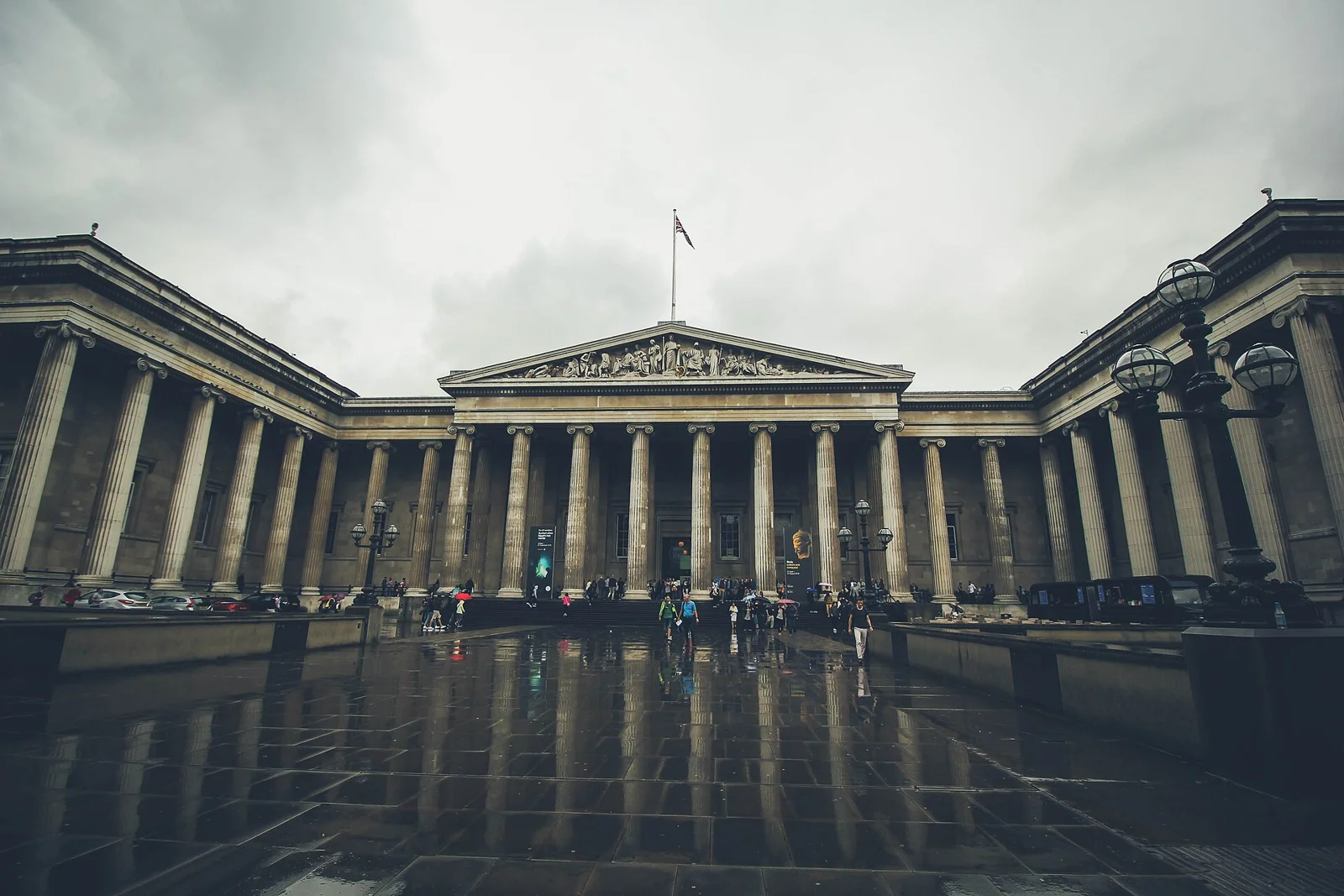
A quiet museum day often includes more walking than the gallery map suggests: the station approach, the security line and the search for lunch afterward. Choose shoes for that whole day. The outfit can remain simple when the practical questions have been answered before you leave.
Draw the day outside the galleries
Look at the actual route from transport to the museum and any other stop you hope to make. Use current official maps and access information rather than a straight line between saved places. TfL's walking resources are a useful example of transport information designed around real walking routes; use the relevant local source for your destination.
Check the museum's own visitor guidance for seating, access and what can be brought inside. The Met's published guidelines illustrate how institution-specific these details can be. Do not assume every museum has the same bag storage or facilities. A small, informed plan is more useful than a day built on uncertain conveniences.
Wear a familiar pair
Choose shoes you have already worn comfortably in comparable ordinary conditions. Trying a new pair for the first time on a long outing adds an avoidable uncertainty. If buying is necessary, assess the fit with the socks or hosiery you expect to use and within the seller's return conditions. Do not treat a style name as evidence of comfort.
Consider the likely surface and weather as well as the interior floors. A polished-looking shoe may work well, but appearance alone cannot tell you whether it suits the route. Check the maker's use and care guidance. If your feet have a specific clinical need, seek the appropriate professional advice rather than relying on an editorial shoe recommendation.
Keep the rest of the outfit easy
Choose clothing that lets you sit, stand and move without repeated adjustment. A removable layer can help with changes between outdoors and indoors, provided it has somewhere to go. Keep the bag modest enough to carry comfortably and compliant with the venue's current rules. A beautiful large tote can become an inconvenience if it must be checked before every gallery.
Bring only the things you need for the intended visit. A notebook may be useful if you like making a few observations; a complete art kit is not automatically permitted or necessary. Check the rules before packing materials. The less you have to manage, the easier it is to spend your attention on the work in front of you.
Plan a natural stopping point
Choose a collection or exhibition and leave permission to finish there. Identify a place to sit or pause using the museum's actual information, and include a flexible meal plan afterward. Early arrival does not promise empty rooms, and staying until closing does not make the visit more successful.
When you return, clean and dry the shoes according to their instructions and note the practical result. If the route was the difficult part, change the route next time rather than blaming every detail of the outfit. If a particular shoe caused a problem, use that observation carefully without assuming that the same style will suit or fail for everyone.
Sources & further reading
Published sources for the details and examples discussed in this story.