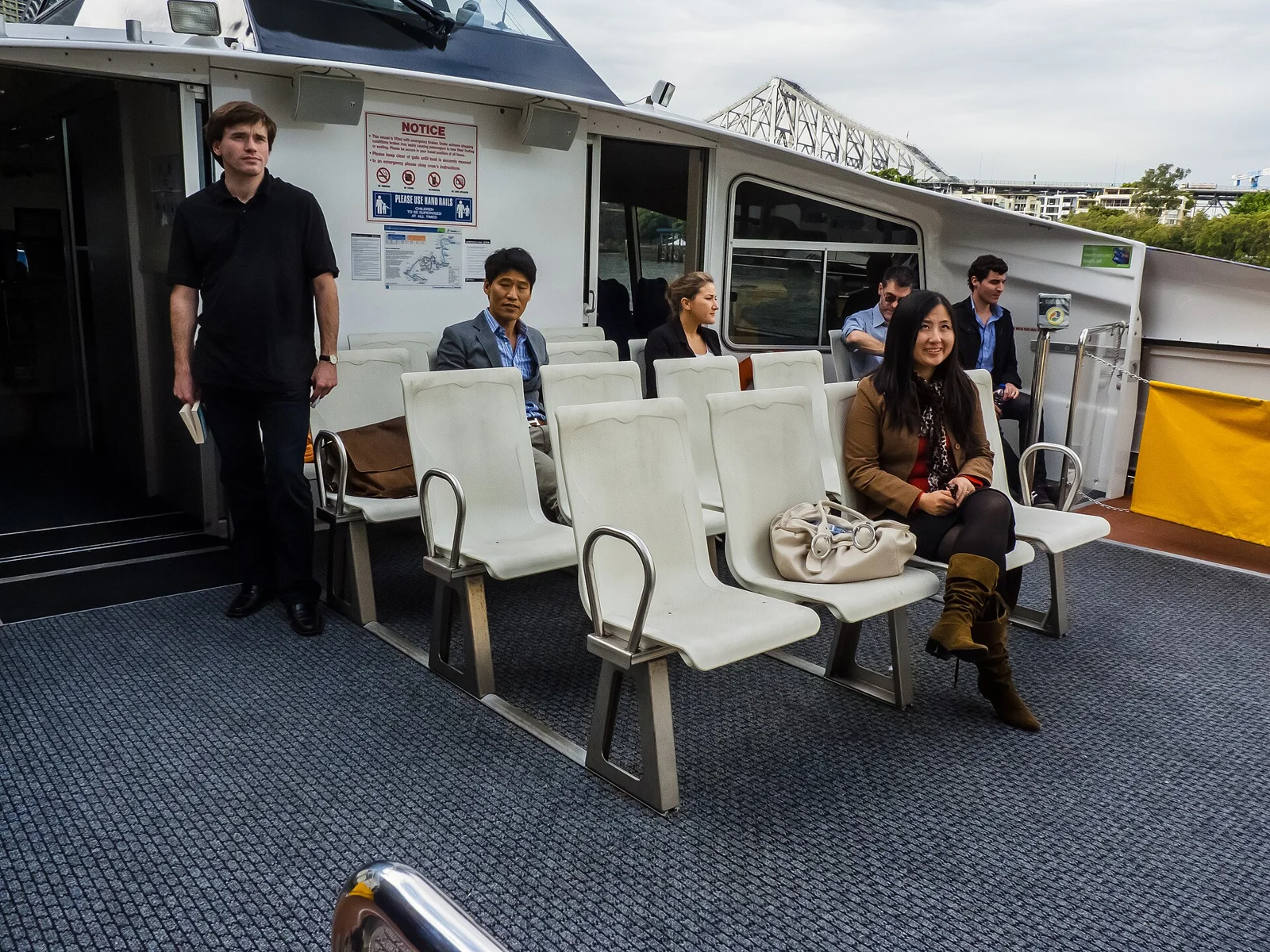
A ferry day has a lovely natural pause built into it: the time between leaving one shore and arriving at another. A small bag can hold what makes that pause comfortable without becoming a burden for the walk afterward. Begin with the crossing you have actually booked or planned, then pack around its particular arrangements.
Read the journey in both directions
Check the operator's current information for the route, rider type and things you intend to bring. Washington State Ferries organizes guidance around those differences; another operator may work differently. Confirm boarding arrangements, access needs and the return options directly. Do not carry over assumptions from a previous crossing in another place.
Look at what happens on the other shore. A short visit near the terminal needs less than a long walk without easy shelter or supplies. Decide where you can pause and how to shorten the day if conditions change. Keep the return journey visible in the plan rather than treating arrival as the last practical decision.
Leave room for a layer
Choose clothing for the actual weather and available indoor space, following the operator's instructions on board. A layer that feels unnecessary on a sheltered street may be welcome outside, but it still needs somewhere to go if you take it off. Leave a small margin in the bag instead of packing it completely full before departure.
Include sun protection appropriate to the day: suitable clothing, shade where available and sunscreen used as directed. FDA's guidance makes clear that sunscreen belongs within a wider protection plan. A pleasant breeze does not tell you what protection you need, and a hat is useful only when worn and managed appropriately in the conditions.
Keep the next thing close
Put tickets or booking information where you can retrieve them without opening every compartment. Use a carrying style that leaves you comfortable moving through the terminal and following crew instructions. Keep valuables under your control, and do not leave a bag to hold a seat while you wander away for a photograph.
Bring food and drinks only in a way that suits the journey and storage needs. Check whether services will actually be available rather than relying on a cafe from an old description. A small amount of appropriate food and a realistic meal plan on shore may be easier than carrying a full picnic around for hours.
Choose the bag for the walk afterward
Try the load over the coat or layers you will wear. A tote may be pleasant for a short terminal-to-cafe visit; a small backpack may suit a longer walk. Check closures, access and care information for the exact product. No style is automatically the best travel bag for every route.
When home, remove damp items and clean the bag as directed. Note one useful change for next time, such as easier ticket access or less spare clothing. Keep the memory of the crossing separate from the urge to buy a new travel accessory after every trip. A familiar bag can become part of the ease of going.
Sources & further reading
Published sources for the details and examples discussed in this story.