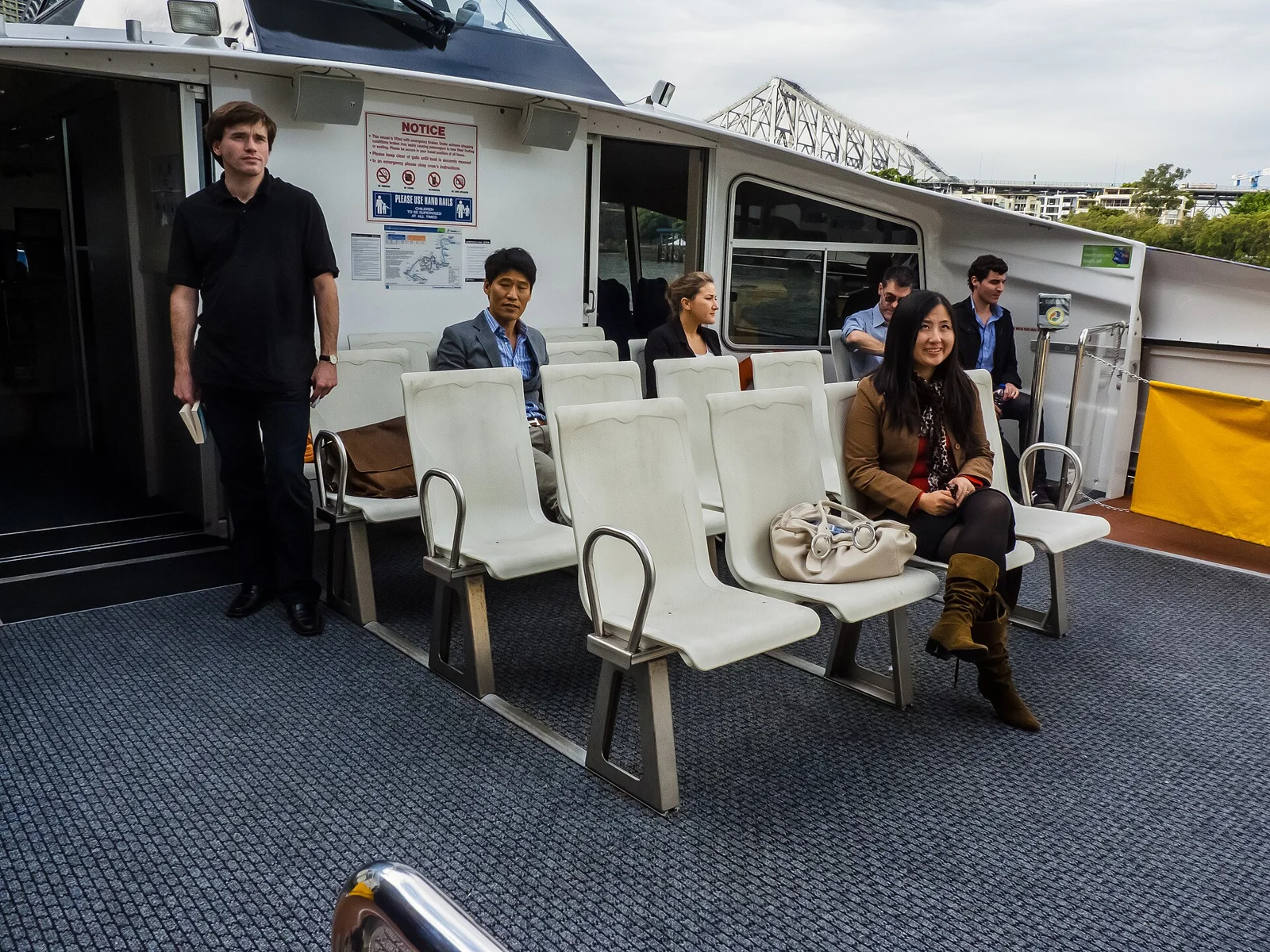
The platform feels cool, the carriage feels warm and the walk after arrival may be different again. Layers are useful when they can move with those changes without becoming a bundle in your arms. Choose a simple combination around the journey and leave a proper place for the piece you expect to take off.
Dress for the whole sequence
Write down the parts that happen outside and the parts that happen indoors. Include the walk to the station, any change of trains and the journey from the final stop. Check current weather and service information close to departure. A single temperature in a forecast does not describe every place you will spend the day.
Begin with clothes you already find comfortable while sitting and walking. Avoid a waistband, collar or sleeve that needs constant adjustment. The best travel layer may be an ordinary cardigan or jacket that fits your life well, not a specialist item bought because its name contains the word travel.
Choose a removable middle
Try the full outfit and remove the middle layer while keeping the outer one and bag nearby. Can you handle it in a small space without dropping anything? A bulky knit may be lovely for a long cold wait and awkward when it has to live inside a small day bag for the afternoon.
Consider the closures and sleeves as well as warmth. A layer that slips on easily over your base outfit may be more practical than one whose cuffs catch every time. There is no need to make every piece coordinate perfectly on its own, but each version of the outfit should feel wearable when another layer is removed.
Reserve its place in the bag
Check the packed dimensions of the layer with the rest of your belongings. Do not assume an empty pocket in a product photograph will accommodate a jumper beside lunch and a book. If the bag becomes uncomfortable, reduce the rest of the load or choose a less bulky combination rather than adding a second bag automatically.
Review your railway's current baggage information for the exact service. Amtrak's policy, for example, discusses safely handling carry-on items; operators and trains differ. An arrangement that you cannot manage through the station is not made practical by fitting within a nominal allowance. Confirm assistance requirements through the operator's process when relevant.
Keep care as simple as the outfit
Read each garment's care instructions before committing it to regular travel. FTC apparel care information is a useful reminder that maintenance belongs in the purchase decision. If a layer needs special cleaning after every ordinary outing, decide whether that work suits you rather than treating a low purchase price as the whole cost.
At the end of the day, follow the garments' airing, washing and storage directions. Note which piece spent the entire trip unused and which one you repeatedly needed. That small observation can guide the next journey better than packing an additional just-in-case layer every time. Leave the combination stable when it works; familiarity can be part of traveling lightly.
Sources & further reading
Published sources for the details and examples discussed in this story.