A small sewing kit is most useful when it matches the repairs you are ready to learn. It does not need to become a complete dressmaking collection. Begin with one simple practice task, a suitable piece of scrap fabric and clear instruction, then buy the few tools that make the next step manageable.
Choose a first skill, not a full project
A running stitch is a modest starting point for learning needle handling and keeping a line. DMC's tutorial offers a direct demonstration. Practice on appropriate scrap fabric before working on a garment you value. A successful sample does not mean every seam, fabric or construction can be repaired in the same way.
Choose a repair within your current ability, with guidance specific to that task. Decorative trim, stretch fabrics, linings and load-bearing or specialist constructions may need a different skill or professional help. There is no need to prove that every garment can be fixed at home. A qualified alteration or repair service can be the most practical way to keep an important item in use.
Buy needles and thread for the task
Ask a suitable supplier or follow the instruction's specification for the fabric and stitch involved. Avoid choosing an enormous assorted pack simply because it contains more pieces. A few identifiable, appropriate needles and thread you understand are easier to manage than many unlabeled options that leave you guessing.
Keep the product information and learn how to use and store the tools properly. Small sharp items need secure storage away from children and animals. A needle case or suitable closed container should make it clear what belongs inside, and a simple counting habit can help you put tools away after practice. Do not leave them tucked into a chair cushion or loose on a table.
Include only the useful supporting tools
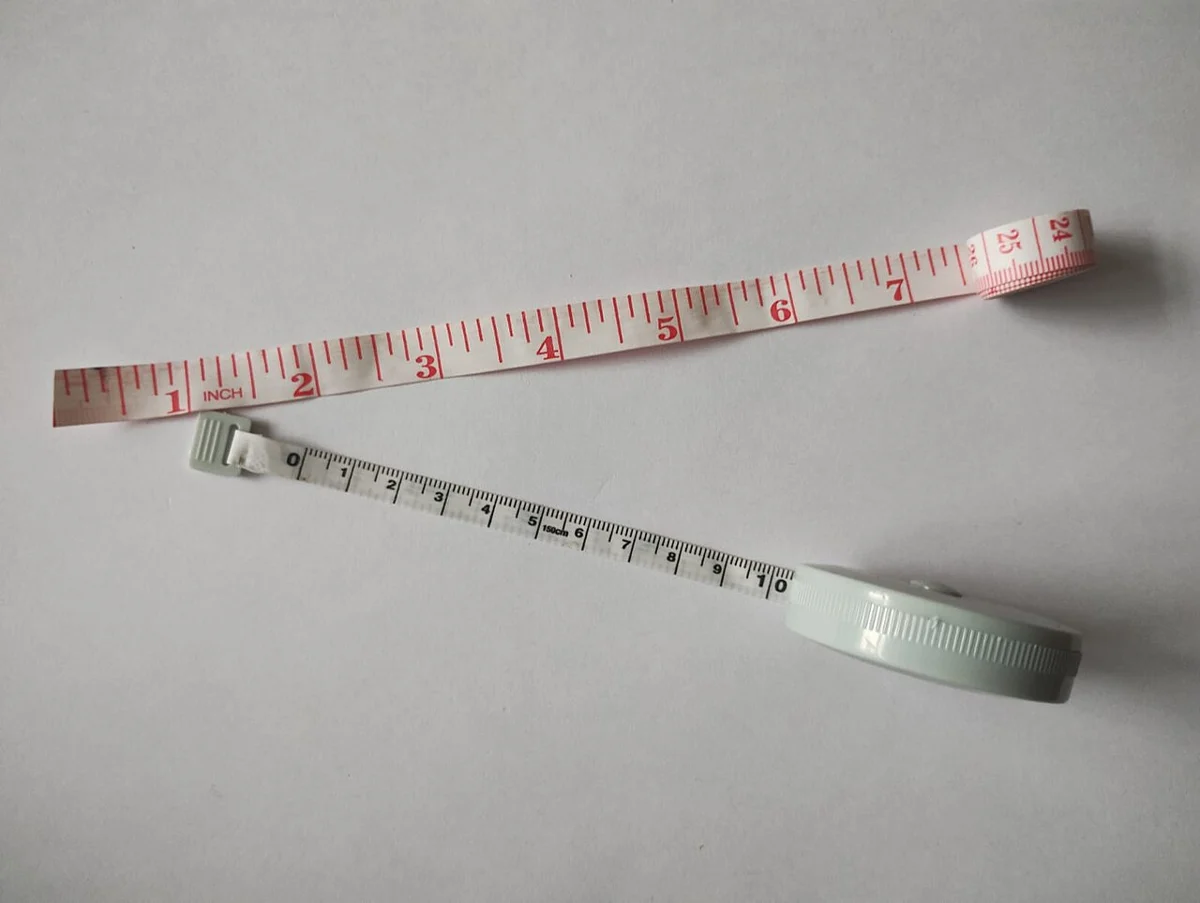
Suitable small scissors, a measuring tool and whatever the specific task requires may be enough. Check the scissors' intended use and handle them safely. A seam ripper can be useful when you understand its role, but it is not an invitation to unpick a complicated garment before knowing how it will be reassembled.
Choose a workspace with enough light and a clear surface. Keep a small container for thread ends and other scraps so they do not spread around the room. If seeing or handling the work is difficult, seek suitable instruction or assistance rather than trying to compensate with a larger kit of unfamiliar tools.
Give the repaired garment a careful return
Follow the garment's care label and the repair instruction. FTC's apparel care information supports keeping maintenance details part of the decision. Check the finished work appropriately before putting the item back into regular use, and ask a qualified repairer when you are uncertain about whether the repair is suitable.
After a few practice sessions, note the tool that is genuinely missing. Add it for a named task rather than collecting equipment in advance of every possible project. A modest kit can remain useful for years if its contents are appropriate and easy to find. The value lies in the skills you actually develop, not in the number of compartments filled.
Sources & further reading
Published sources for the details and examples discussed in this story.