An outfit you are happy to repeat is a useful part of a smaller wardrobe. It removes a decision without making the day feel unfinished. Begin with a combination you already enjoy wearing, then notice why it works before buying another version of the same idea.
Choose a real successful combination
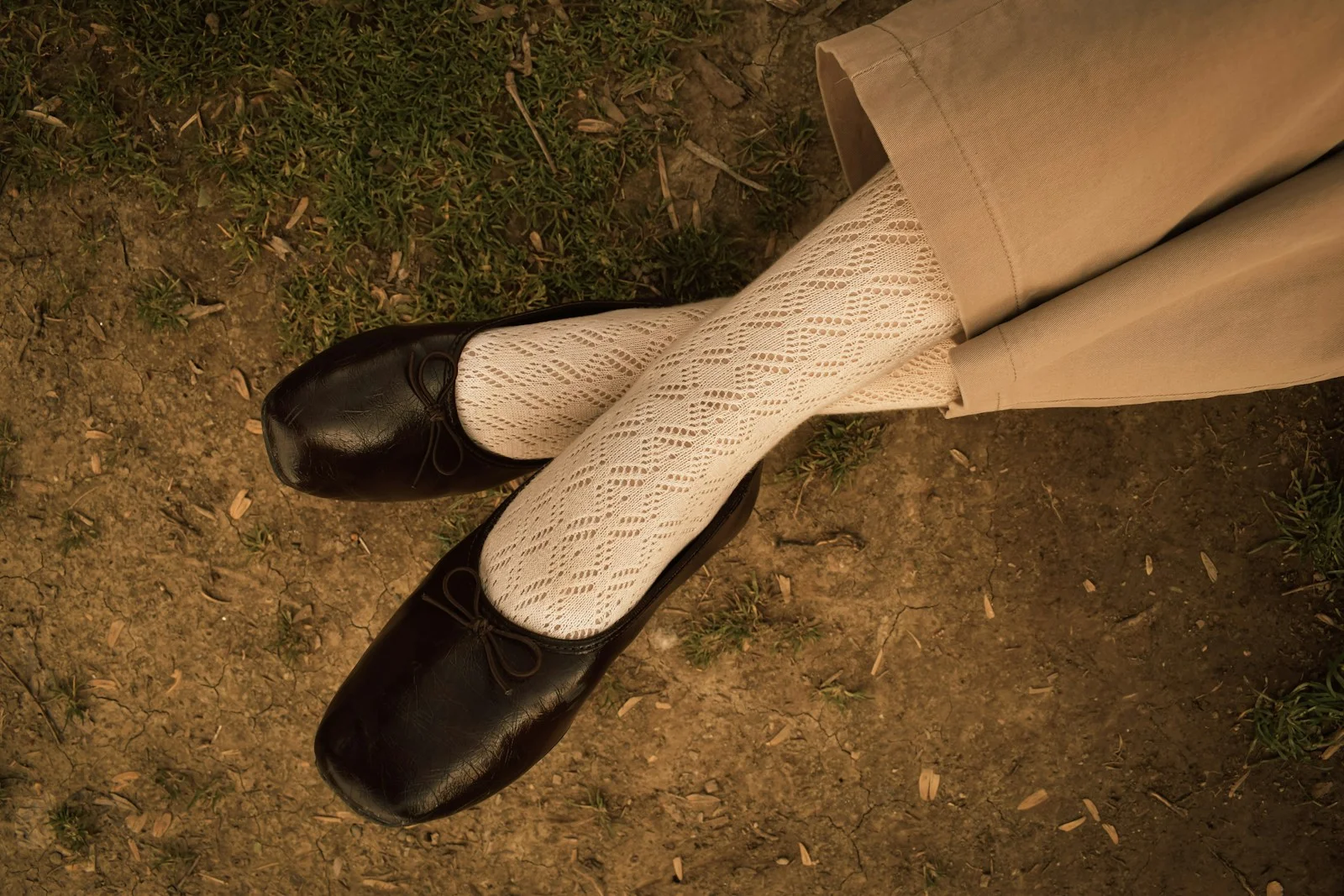
Think of an outfit that has worked through an ordinary day, including sitting, walking and the journey home. Identify the actual pieces rather than a vague category such as a white shirt and trousers. Fit, proportion and the way the fabrics feel together may explain why one combination is easier than several similar ones in the cupboard.
Try it again without adding anything new. Make sure it still suits the current weather, schedule and setting. Repeating an outfit is a choice, not a requirement to ignore practical changes. Keep the successful core and adjust only what the day asks for, such as a useful outer layer or a different suitable shoe.
Notice where the ease comes from
Perhaps the neckline works with the jacket, the pockets hold what you need or the colors feel right together. Name those details. They provide better buying criteria than deciding that every piece needs a duplicate. A second pair of similar trousers may not reproduce the same comfort if the cut or fabric is different.
Keep a private reference photograph or a short note if it helps you remember the combination. There is no need to create a wardrobe database unless you enjoy maintaining one. The aim is to make a useful choice easier to find, not to turn getting dressed into an administrative project with another set of tasks.
Keep care in the rotation
Read the garments' care instructions and plan a realistic laundry interval. FTC's apparel care information is a useful reminder that maintenance belongs to choosing clothes. Do not buy a supposed everyday staple whose required care does not fit your week, unless you consciously want to make that effort.
Give the outfit an alternative while a key piece is being cleaned. That may mean another existing combination rather than an identical backup set. Store the pieces where they can be found without crowding, and deal with small repair needs before they become the reason you stop wearing something you otherwise like. Follow appropriate garment-specific care instead of universal fabric shortcuts.
Buy the missing piece slowly
If one element is worn out, describe the features that need replacing: fit, usable pockets, color or compatibility with the rest of the outfit. Compare the actual new item against those criteria. A product called a classic may still be wrong for your version of the combination.
Avoid buying several colors before the first purchase has earned its place. Wear and care for one suitable item through ordinary life, within the relevant return conditions. If it works, you will know why; if it does not, the mistake remains smaller. Repetition can be a satisfying preference rather than a claim about how many clothes everyone ought to own.
Sources & further reading
Published sources for the details and examples discussed in this story.