A changing day might include a short commute, a meeting, errands and a walk to dinner. One pair of flats can be appealing when it suits those transitions, but the style name alone does not answer the practical questions. Begin with the ground, the distance and the clothes you will actually wear.
Look at the longest part on foot
Map the routes that matter, including the walk between transport and the destination. Official walking resources such as TfL's can help show real connections in London; use the relevant current source elsewhere. A short-looking gap may include steps, uneven surfaces or a route that does not suit your access needs.
Check the likely weather and the shoe's intended use. A delicate flat chosen for an indoor event may not be the useful answer to a wet cross-town walk. There is no single style that fits every surface. Keep the decision tied to the particular shoe and conditions, with a sensible alternative when the day's demands are too different for one pair.
Try the ordinary movements
Assess the fit with the socks or hosiery you intend to wear, within the seller's return conditions. Walk and turn rather than standing still in front of a mirror. Notice whether the shoe stays on comfortably or requires you to grip or adjust constantly. Flat does not automatically mean comfortable for every foot.
If a specific foot condition affects your choice, use appropriate professional advice. An editorial description cannot replace that assessment. Avoid buying a pair that causes a problem on the assumption that a particular label or price proves it must eventually suit you. Choose the fit and intended use you can actually establish.
Check the outfit's proportions in motion
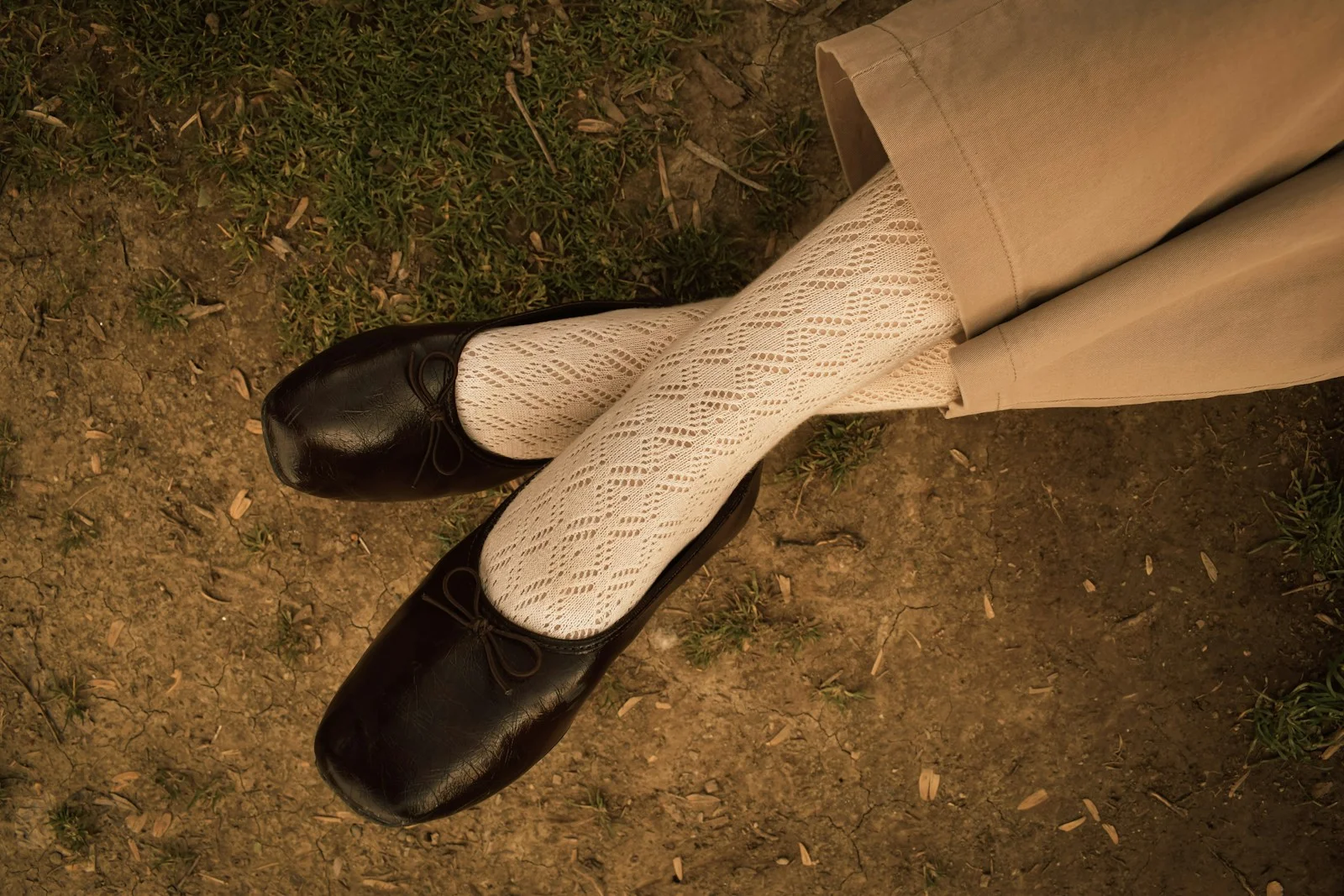
Try the shoe with the trousers, skirt or dress it will accompany. A hem that worked with a different shoe may need attention. Sit and walk in the whole outfit to see whether anything catches, drags or needs repeated adjustment. A simple shape can look considered when it works naturally with the rest of the clothes.
Choose the color around realistic combinations you already own. A dramatic pair may be a lovely deliberate choice, but it does not need to be described as a universal neutral to justify it. If buying for frequent use, name several ordinary outfits rather than imagining a future wardrobe that would make the shoe useful.
Include care and the return journey
Read the manufacturer's cleaning and weather guidance for the actual materials. Check repair options if they matter to you, without assuming every sole or construction can be renewed. A low purchase price and a high one both need to be considered alongside useful service, care and the life you expect the shoe to have.
Keep the first purchase modest if you are uncertain about the style. Do not order several colors before one pair has worked in ordinary use. At the end of a real day, note the practical result and let that guide the next decision. Sometimes the best answer is a familiar pair already at home and a simpler route between the day's commitments.
Sources & further reading
Published sources for the details and examples discussed in this story.