A sketchbook changes what you need to check before a museum visit. At The Met, the published visitor guidelines allow pencil writing, drawing and notes, while excluding other marking materials. This proposed workflow begins with those particular rules and an original looking exercise. It is not a report of a visit, a copyist-program approval or permission to reproduce an artwork publicly.
Pack for the published material rule
Read the current official visitor guidelines before departure. The Met permits pencils but not paint, charcoal or markers. Its prohibited-items list also covers tools and craft knives, so do not make sharpening equipment an assumed exception. Ask the museum directly if an actual item’s status is unclear.
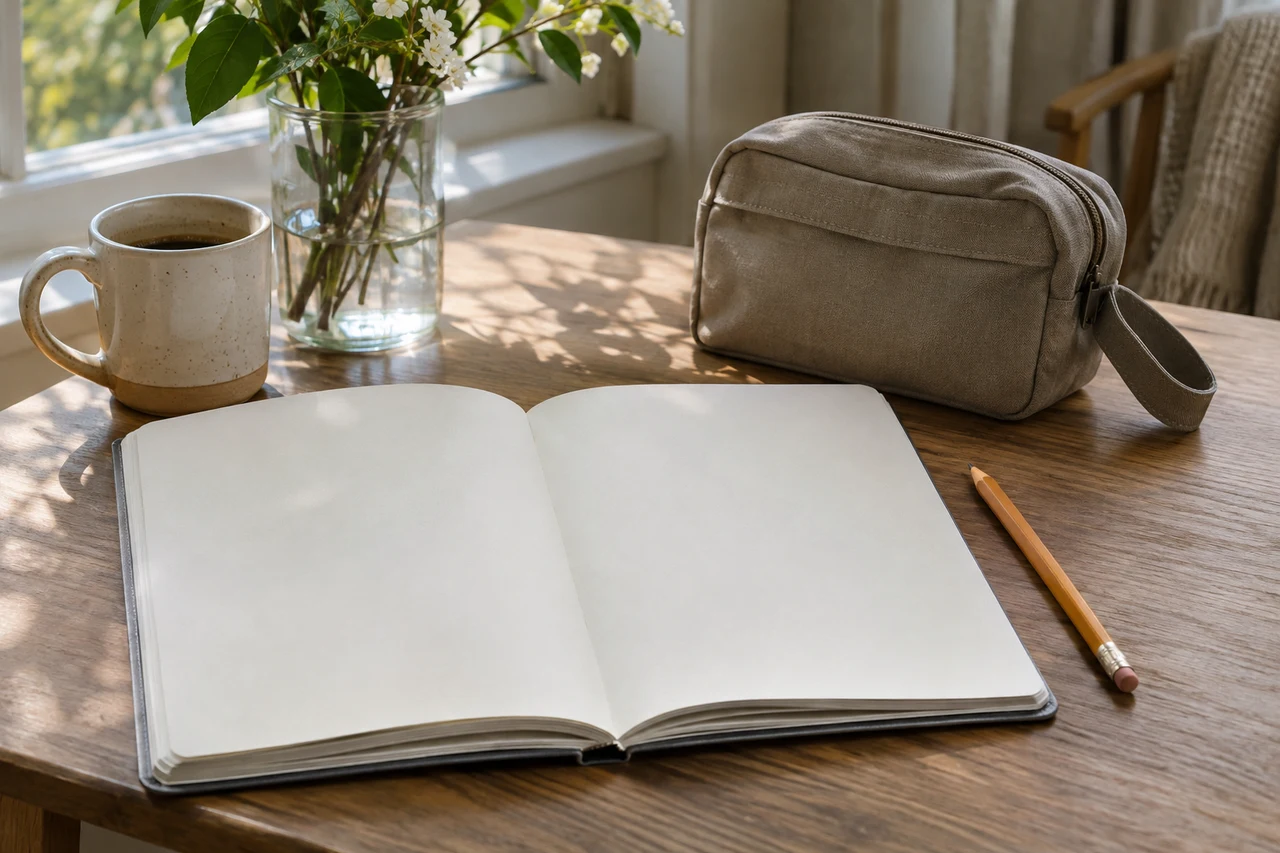
Choose a small plain sketchbook and a suitable pencil already prepared for use. Keep the proposed kit modest instead of buying a travel art set whose materials cannot enter. The plan is for pencil notes, not an easel, wet materials or a display of supplies around the gallery. An admission ticket does not turn every artistic method into a permitted activity.
Keep carrying and position practical
The Met says small backpacks must be worn on the front or carried in the hand, and large bags and luggage are not allowed in the building or at coat check. Those rules are specific to the named museum; they do not establish another venue’s bag size or storage service. Recheck before relying on them for an actual journey.
Once inside, find a position that is actually permitted and leaves other visitors’ movement clear. The guidelines say not to sit on the floor or block doorways, stairs and hallways. Do not assume a stool, a particular bench or a quiet corner will be available. Ask staff about a workable place rather than occupying an access route for the sake of a preferred view.
Give one page a complete looking task
For an original private exercise, choose one visible arrangement and begin by noting its broad outline in pencil. Add a second observation about an interval or shape that you initially overlooked. Finish with a short question you would like to revisit. These are authored prompts, not instructions supplied by the museum or a sketch produced during our research.
Keep the page small enough to stop without leaving materials spread out. The aim is attentive looking rather than a complete reproduction or an invented claim of drawing improvement. Do not touch the artwork, frame, label, case or protective platform while seeking a better position. That prohibition remains relevant even when a pencil is allowed.
Close the kit without expanding the permission
Put the pencil and book away before moving through the galleries, and leave the chosen place clear. If you later want a different medium or a formal copying arrangement, consult the museum’s actual program and conditions separately. The visitor paragraph about pencils does not answer every question about organized copying or later image use.
Keep the proposed notes private unless the relevant publication and rights questions have been resolved. This guide supplies no model release, artwork license or commercial photography permission and reproduces no source image. The useful preparation is a compliant small kit and a modest page task; a new branded art case is not required to make that plan feel legitimate.
Sources & further reading
Published sources for the details and examples discussed in this story.