A local essay can interrupt the picture you hoped to take. In the Old Town chapter of Robert Louis Stevenson's Edinburgh: Picturesque Notes, admiration for old streets sits beside a less comfortable question: whose inconvenience makes a place look interesting to an observer? The Project Gutenberg text consulted is transcribed from a 1903 edition. It is a historical writer's account, not current evidence about Edinburgh's housing or a route we followed. Its value for this proposed visit begins with that disagreement inside the writing.
The passage does not let picturesque remain uncomplicated
In Chapter II, Old Town—The Lands, Stevenson describes dense, steep urban building and then considers changes that opened streets and admitted light and air. He objects to an easy nostalgia for the corners lost in such changes, writing, 'It is easy to be a conservator of the discomforts of others.' The short sentence is his, not a modern visitor survey or a conclusion about every preservation project.
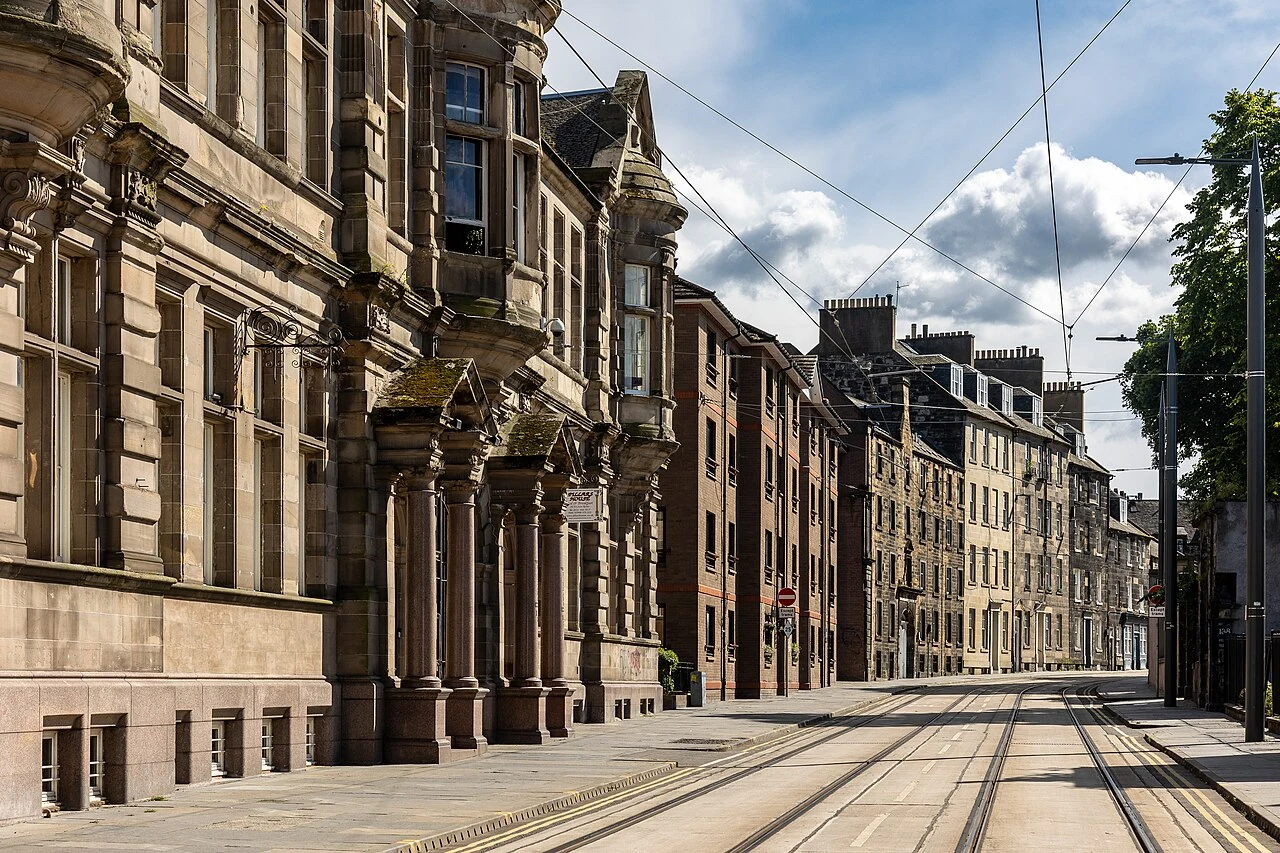
What interests me is the change in whose view counts. An observer may regret the disappearance of an unusual old corner. A person living with the conditions described might have a different reason to value a change. The passage makes those positions rub against each other rather than allowing the picturesque street to remain only an image.
Read the author critically as well
The same chapter contains period judgments and degrading descriptions of some residents. Those are part of the historical author's voice; they should not be carried into a present visit as a ready-made description of a neighborhood or its people. An essay can provoke a useful question without becoming an authority on everyone it depicts.
That limit is important here because the feature is not verifying Stevenson's social account as a complete history. We have selected one tension in a particular chapter. Reading the surrounding material makes it harder to mistake an attractive sentence for a neutral guide to the city. It also leaves room to seek other historical voices rather than treating one well-known writer as the place itself.
Take a changed question, not a copied route
Imagine a reader who initially wants a view of an old street with as few modern interruptions as possible. After this passage, the proposed question changes: which things do I dismiss as interruptions because I am looking for a picture, and what everyday purpose might they serve? That is an original response to the text. Stevenson does not supply its wording or a present-day answer.
This question could make contemporary signs, ordinary movement or necessary access features interesting rather than automatically unwelcome in an imagined view. It does not authorize entering homes, photographing residents intrusively or guessing how they feel. Nor does the essay establish whether a particular modern alteration is beneficial. Those conclusions would need actual context beyond a visitor's preference.
Let a local interpretation complicate the reading
If considering a guided walk or a history publication, I would look for an account that can distinguish the author's period descriptions from other evidence and from current conditions. The purchase question is whether the interpretation develops the tension, not whether it promises to recreate the street exactly as the writer saw it. This feature has not evaluated a particular tour or book product.
You can also decide not to make a purchase. The openly available chapter is enough to begin a changed way of looking. A useful local reading does not need to predict every stop. Here it asks the traveler to notice the distance between enjoying an old place as a scene and understanding it as somewhere people have had to live.
Sources & further reading
Published sources for the details and examples discussed in this story.