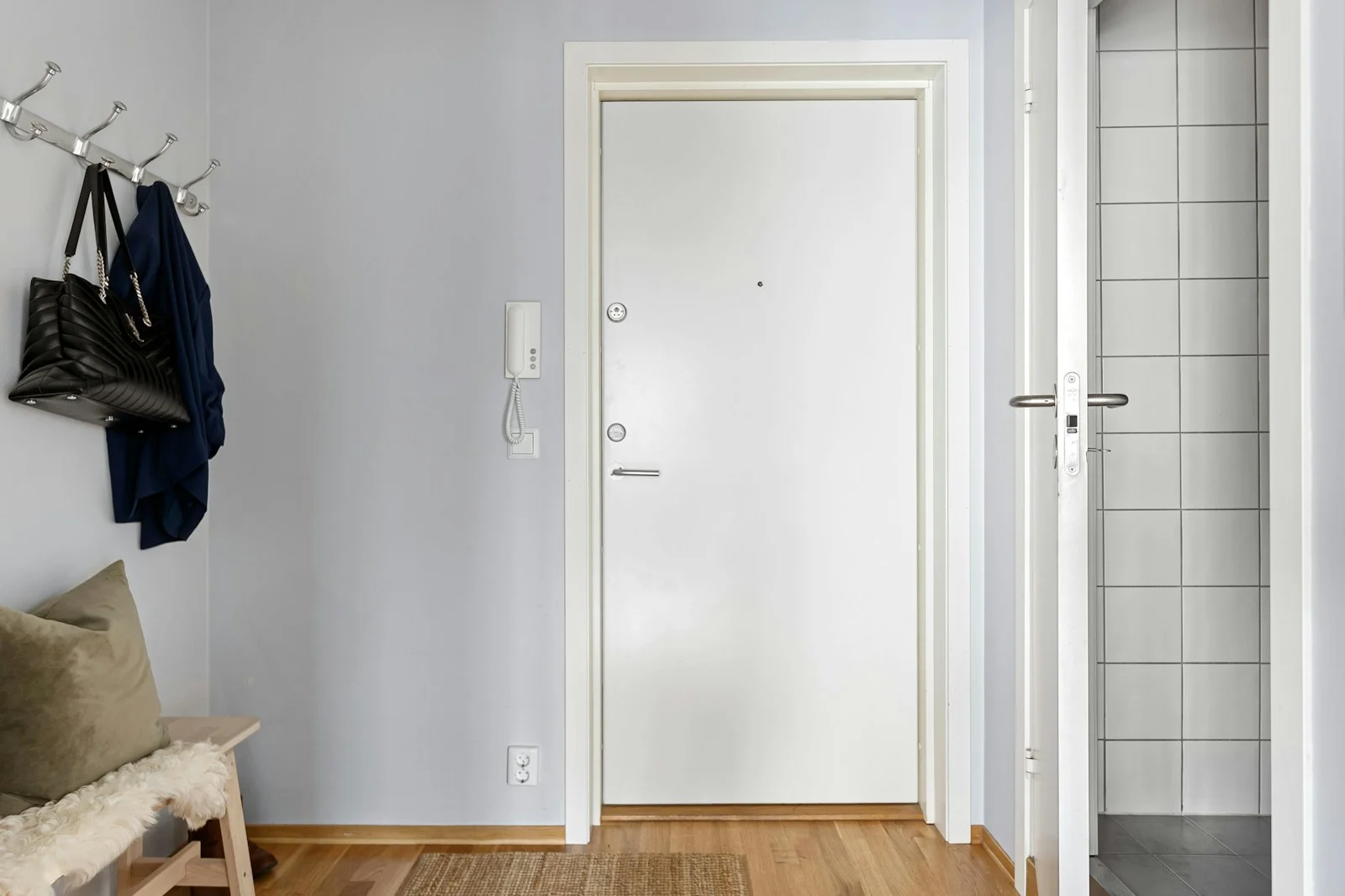
A hallway basket can gather the things that leave with you: a reusable shopping bag, a scarf or the book being returned tomorrow. It works best as a small departure point, not a permanent home for everything found near the door. Give it one clear purpose before choosing the basket.
Choose one direction of travel
Decide whether the basket is for outgoing items or for things that need to be carried farther into the home. Combining both makes it harder to know what should happen next. A small basket for tomorrow's departure can be useful beside a separate, appropriate place for keys and everyday essentials.
Watch what actually goes into it for a few days. Some items may need a more secure or specific storage arrangement, especially important documents, medicines or valuables. Do not assign those to an open catch-all simply because it is convenient. The basket should gather ordinary, suitable items whose next destination is already known.
Fit it to the hallway's movement
Place a temporary object of the proposed size in the intended spot and use the doorway normally. Include an open door, shoes being put on and two people passing. A floor basket that looks modest in an empty hall may become an obstacle during the morning rush. Keep normal routes and exits clear.
If the basket belongs on furniture, check that the surface is stable and intended for the load. Follow the furniture's assembly and anchoring instructions where applicable; CPSC's tip-over guidance remains relevant when rearranging a hall. Avoid balancing a large basket on a narrow ledge simply to keep it off the floor.
Choose the useful details
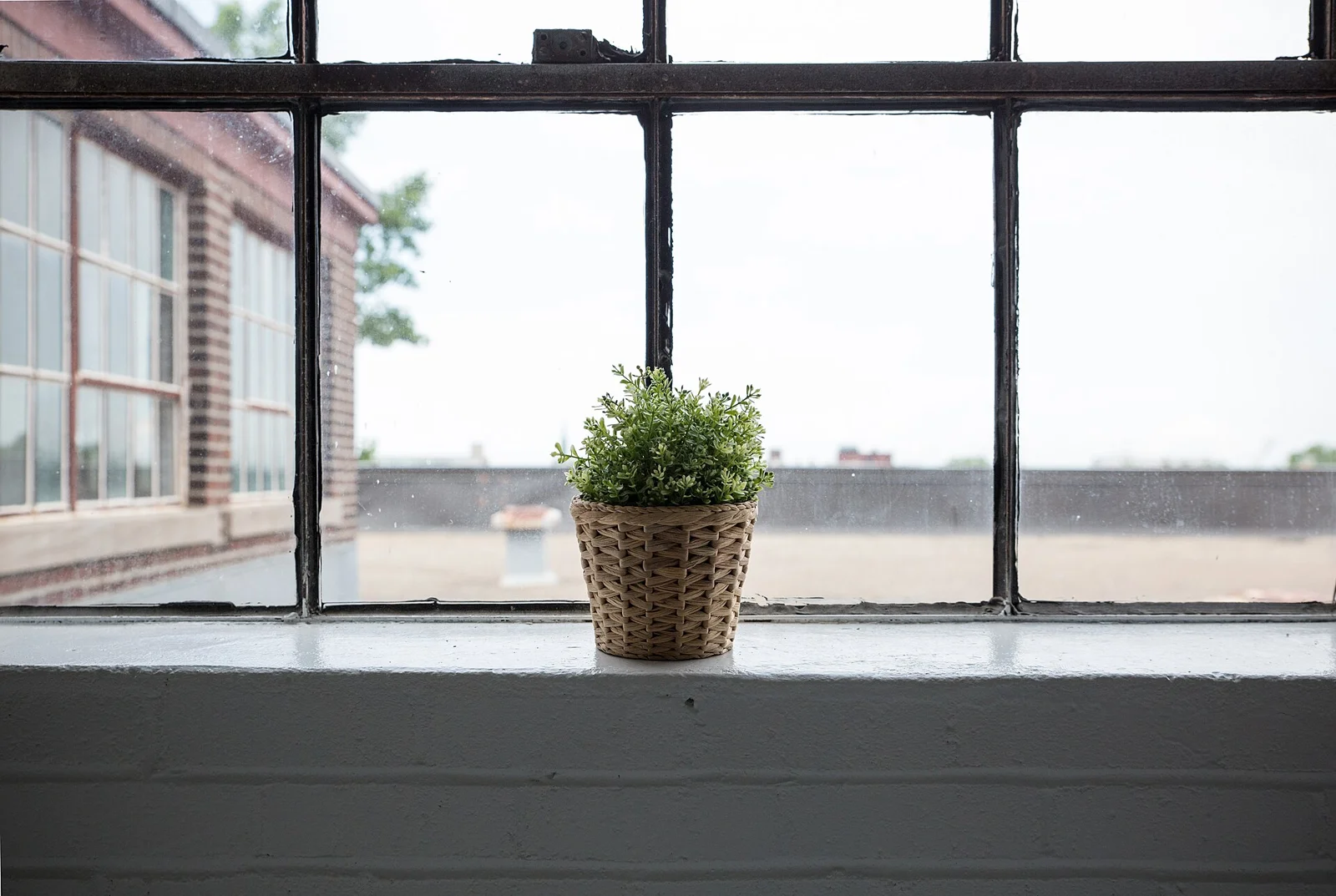
A handle matters if the whole basket will move to the car or another room. Check how it feels with a realistic load and whether the maker intends it for carrying. A decorative handle is not necessarily a load-bearing feature. Compare the inside dimensions with the actual shopping bags or folded items you expect it to hold.
Look at the surface and lining. A rough weave may be unsuitable for a delicate scarf; a fabric liner adds its own care needs. Keep damp or muddy items elsewhere in an appropriate arrangement. The material's appearance does not tell you how it should be cleaned, so follow the specific product instructions.
Empty it before the purpose disappears
Choose a quick check before the next departure: take what belongs to the trip and return anything whose plan has changed. Once a week, remove objects that have lost their destination. A basket can quietly become an archive of good intentions if nothing ever leaves it.
Try the arrangement with a container you already own before buying something permanent. If it helps, choose one basket that fits the measured place and the items involved. Resist buying a matching row unless each one has a real separate job. The calm comes from knowing what is leaving, not from giving every unmade decision its own attractive container.
Sources & further reading
Published sources for the details and examples discussed in this story.