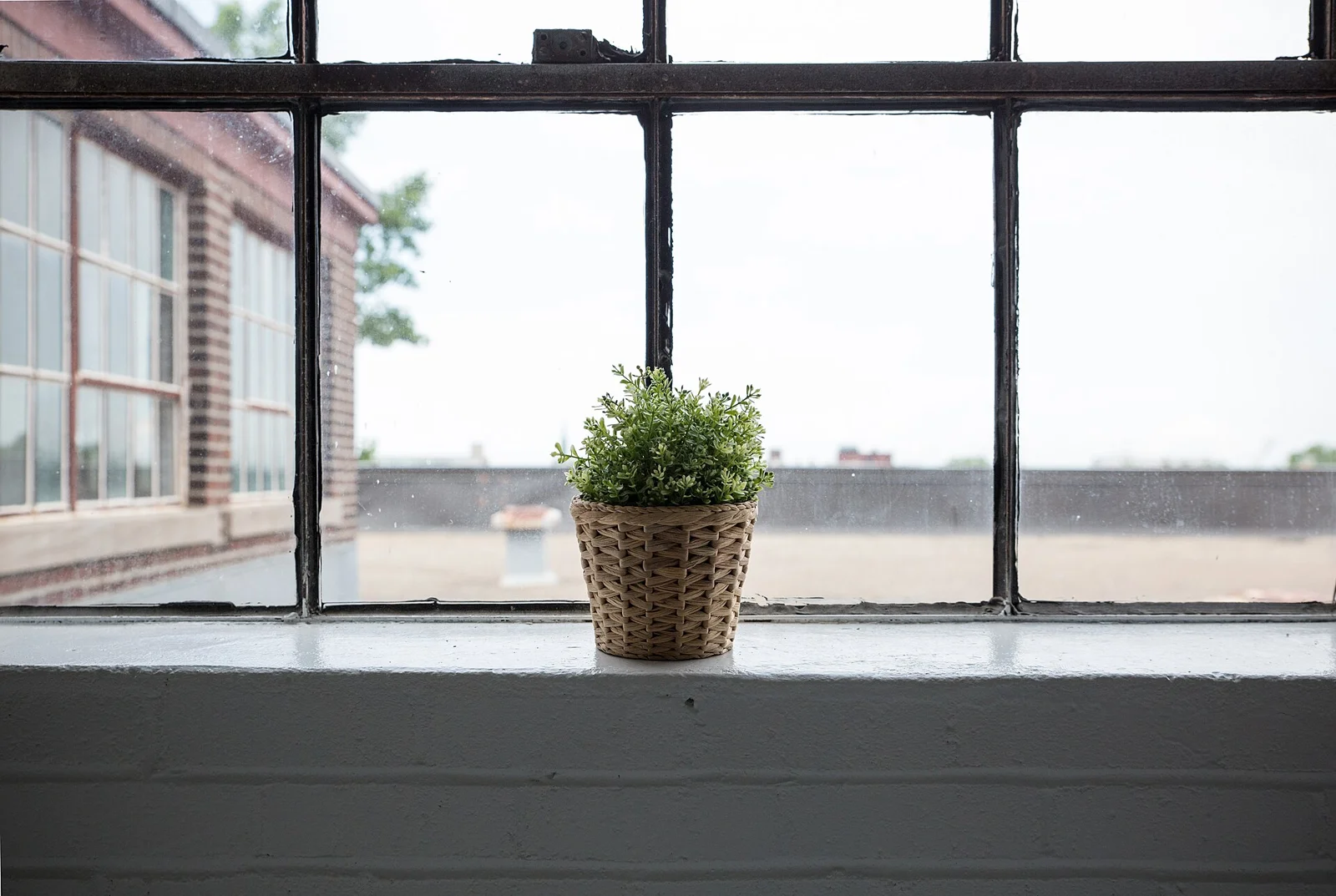
A green windowsill begins with the window, not with a plant chosen from a photograph. Notice the light, temperature changes and the way the window opens before buying. One suitable plant with room to grow can feel calmer than a crowded row whose different needs are difficult to remember.
Watch the sill through a day
Look in the morning, around midday and later if possible. Note direct sun, shading from nearby buildings and any curtains or blinds that change the conditions. The room's brightness from the doorway may differ from the small area beside the glass. Keep the observation specific to the place where the plant will actually sit.
Check seasonal changes as well as the current day. A radiator, a draught or a frequently opened window may matter. RHS's houseplant guidance recommends researching the light each plant needs. Avoid treating the label easy-care as permission to ignore those conditions; a forgiving plant still has requirements that should suit the proposed location.
Choose the plant with its future in mind
Read the plant-specific guidance and ask a knowledgeable nursery about uncertainty. Consider eventual size, care and suitability for the household, including children or animals where relevant. Do not infer toxicity or safety from appearance. Verify the specific plant with an appropriate source before bringing it into a setting where that question matters.
Start with one or two plants rather than a full display. This leaves time to understand the routine and observe the space. A tiny plant in a shop may eventually need more room than the sill offers. Buying several identical decorative pots first can make you choose plants around the containers instead of around the conditions.
Keep water away from the wrong places
Use a suitable container arrangement with appropriate drainage for the chosen plant, following plant-specific advice. If an outer pot or tray is used, check that it protects the surface and does not leave the plant sitting in unsuitable standing water. A decorative vessel is not automatically a complete growing system.
Move the plant to an appropriate place for watering if that is the safest way to protect the sill, and let excess water drain as required. Keep electrical items and vulnerable surfaces out of the splash area. Do not improvise a universal weekly watering promise; the plant, pot, growing medium and conditions all affect what is needed.
Leave room to use the window
Open the window and operate blinds with the proposed arrangement in place. A plant that blocks the handle or gets knocked whenever the curtains close is in the wrong position, however attractive the photograph looks. Keep heavy pots stable and appropriately supported, particularly where there is a risk of them falling or being pulled down.
Review the arrangement after a few weeks and through seasonal changes. Keep notes only where they help, such as the plant's identity and the relevant care source. Buy another plant when you understand the first one's place in the room, not simply to fill the remaining strip of sill. Empty space can make the greenery easier to enjoy and care for.
Sources & further reading
Published sources for the details and examples discussed in this story.