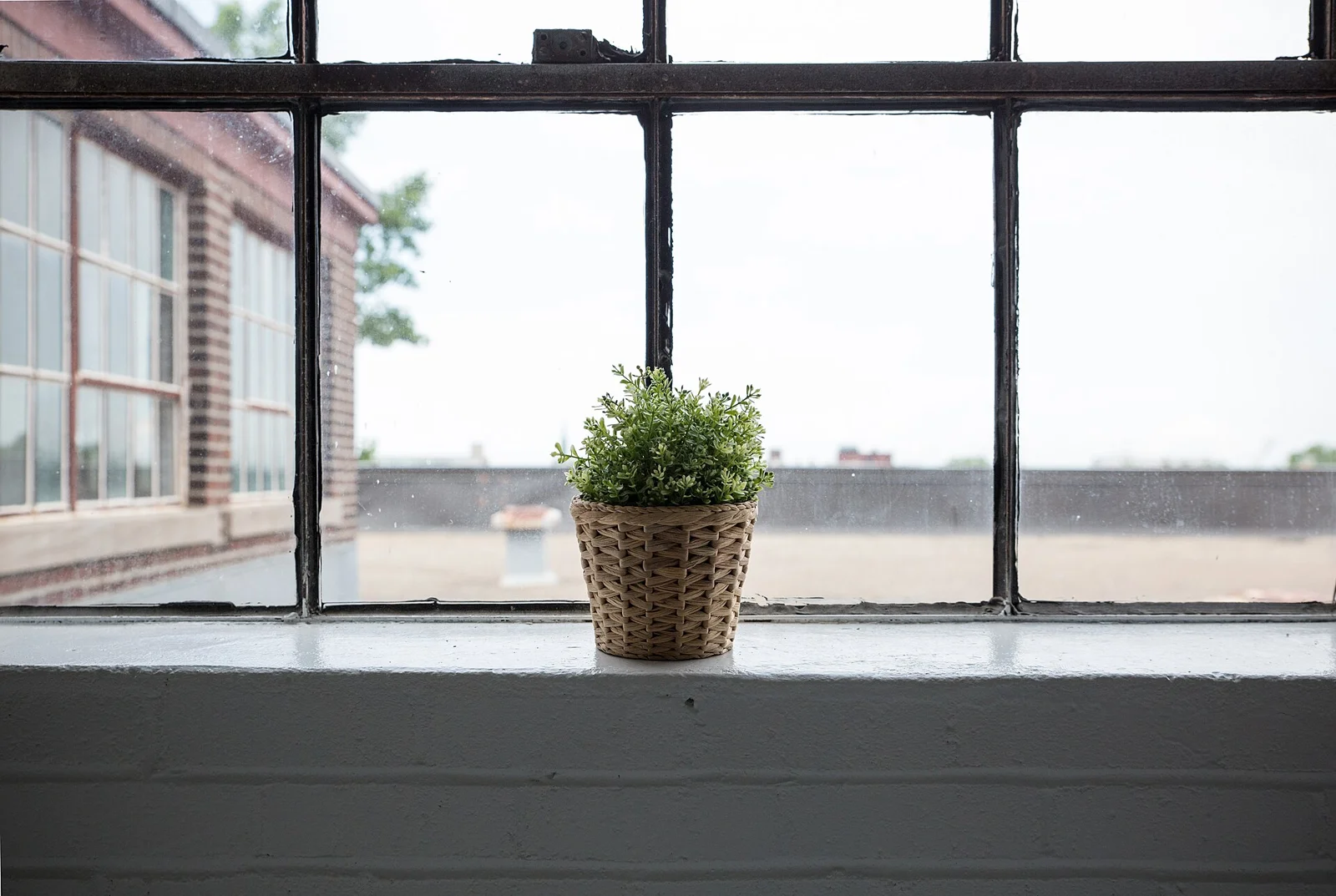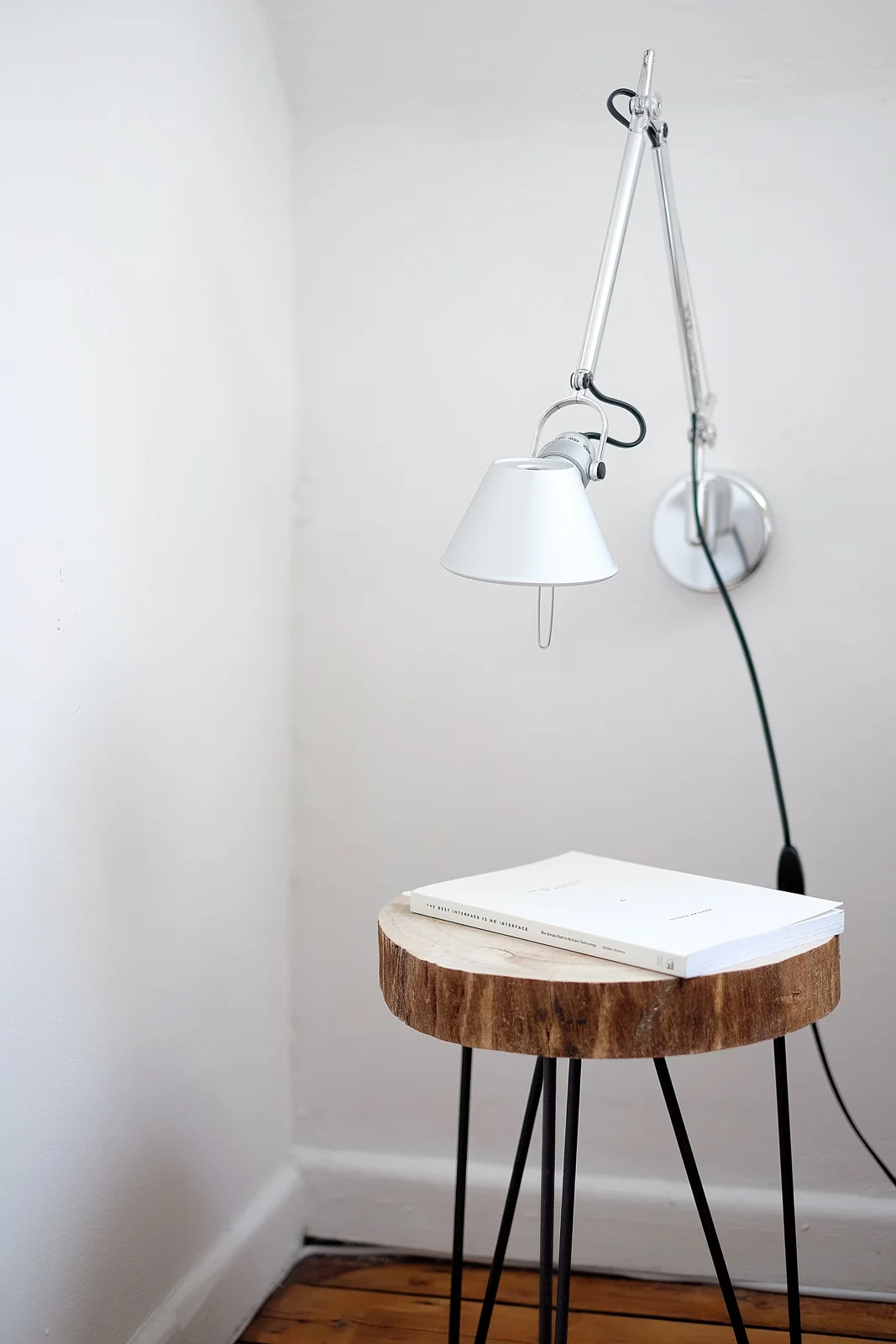
Evening clutter often consists of things that are between places: a letter to read, a book to return upstairs, a charger borrowed from another room. A landing place can help when it is a short stop with a clear next step. The aim is not to hide everything, but to make the small unfinished decisions easier to see.
Notice the repeated objects
Choose one surface that fills up and look at what arrives there over a few days. Separate things that belong in the room from things merely passing through. A current book may deserve a place beside the chair; several weeks of unopened post need a different process. One basket should not be expected to solve both.
Keep the categories ordinary and few. You might need a small tray for daily essentials and a bag for things going upstairs. Choose the method around the route people actually use, not around a label system everyone would have to remember. If an item repeatedly stops in the same place, ask why its intended home is inconvenient.
Give the container a boundary
Choose a size that holds a realistic short interval of items. A very large basket can make it possible to postpone decisions for much longer than intended. Check the inside dimensions and opening, and avoid a design that is awkward to reach into or difficult to clean. A container you own may be enough for the first trial.
Decide what does not belong there: food, damp clothing, sharp tools, important medicines or anything needing specific secure storage. An attractive catch-all is not appropriate for every household item. Keep the landing place out of the walking route and away from edges where its contents could be knocked down or pulled over.
Attach a simple next step
Choose a regular moment to empty the passing-through collection, such as going upstairs or beginning the next day's first household task. Keep the action small: return the book, file the document or put the cable back. If the basket never empties, reduce its purpose rather than buying a bigger version.
Shared spaces work better when the arrangement is understandable without a lecture. Agree on where personal belongings go and let people choose suitable homes for their own things. Do not turn an organizing experiment into an assumption that every object left out represents carelessness. Sometimes the room lacks a useful place for something that is used every day.
Keep the furniture part practical
A shelf or cabinet may help if the real need is permanent storage. Check its stability, assembly and intended loads, and follow anchoring instructions where applicable. CPSC's furniture tip-over guidance matters when a tidy surface is created by moving items onto a taller unit. Clear appearance should not come at the expense of a sound setup.
Try the landing place for a week before buying a matching set for every room. Notice whether the original surface stays usable and whether the next steps actually happen. Keep the successful part and change the rest. The best arrangement may be a single small tray and one clearer destination, with no new furniture required.
Sources & further reading
Published sources for the details and examples discussed in this story.