Buying mint for one meal and making room for a perennial growing project are different intentions. This original household plan follows the latter, using the RHS’s UK growing guidance. Its question is what happens beyond the first useful leaves. No plant has been purchased, identified from an image, grown, divided or harvested for this feature.
Begin with a named plant and the relevant care
RHS advises buying a correctly named plant suited to its intended use: not every mint is culinary, and pennyroyal is harmful if eaten. Its guide recommends containers to restrain spreading underground stems, with peat-free multipurpose or soil-based compost, sun or partial shade and evenly moist conditions. Check containers regularly, especially in dry weather.
The guide describes regular young-tip picking, cutting back to about 5cm after flowering, natural winter dieback and removal of faded stems before new spring shoots. Established clumps eventually need repotting or division, usually every few years; division is described for spring or autumn. These are concise points from UK guidance, not a universal calendar or a complete propagation procedure.
Assign the pot a place that can remain available
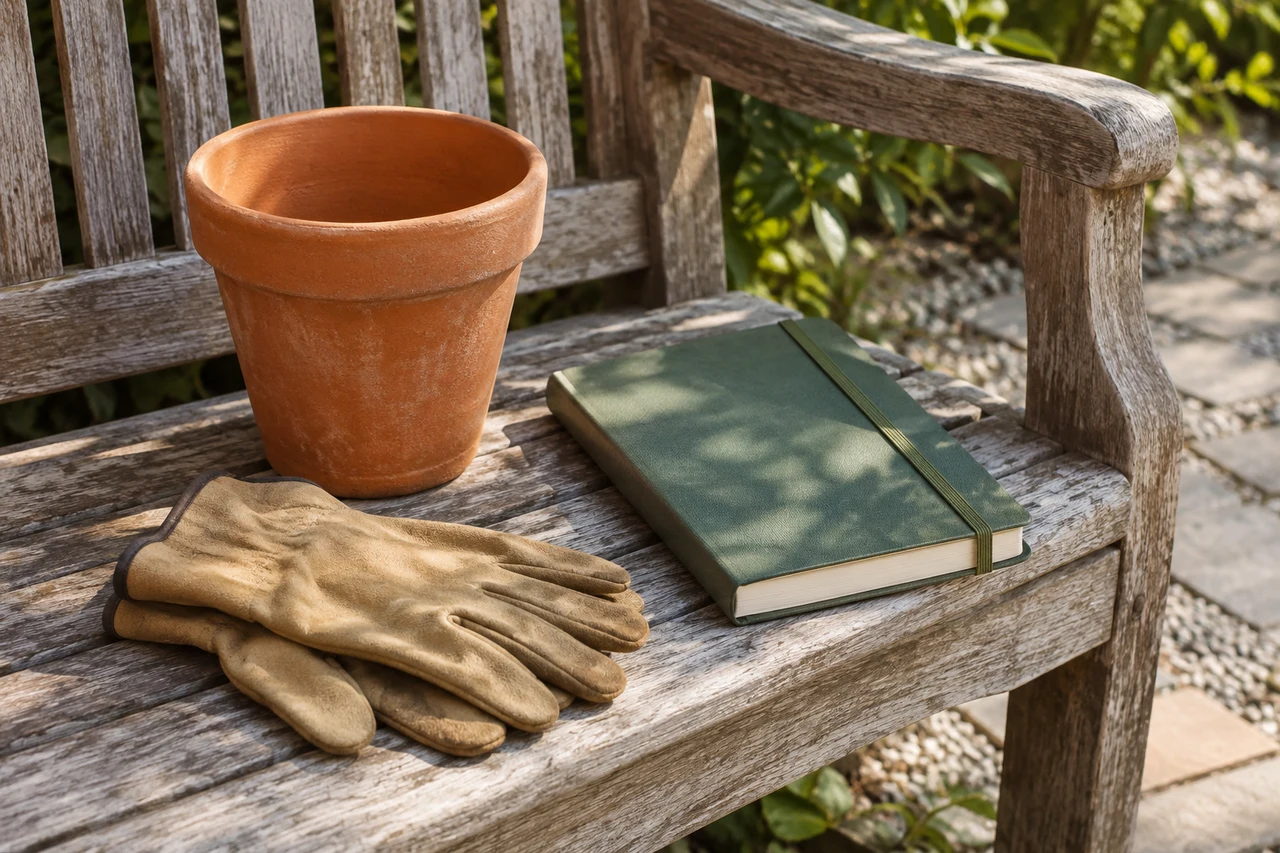
Imagine a household choosing one named culinary plant for an outdoor corner. Before buying an ornamental cover, decide whether that place can remain available beyond the current meal plan. A seasonal display that must disappear when guests arrive is a different commitment from an ongoing growing place.
Keep the supplier’s identity and applicable care information with the project record. A label reading only “mint” leaves an unanswered question; a pleasant smell or a generated leafy image cannot resolve it. If the intended use is unclear, ask the supplier before purchase rather than make a food-use assumption at home. No medicinal use or health benefit is proposed here.
Let the record describe a changing plant
The household can use a short note with three entries: the last actual observation, the care actually carried out, and the next question. Initially that question might concern whether the proposed position suits the identified plant. Later it might be whether an established plant needs the separately described repotting work.
Do not fill future entries as though the work has happened. Likewise, a planned dinner does not establish an available harvest. Buy the ingredient if the actual plant cannot supply what is wanted, and prepare any harvested food using appropriate separate handling guidance. This is a way to keep expectations realistic, not a measured yield plan.
Decide on renewal instead of collecting equipment
When the project changes season, revisit the relevant plant information before treating a change in appearance as failure. The care record can distinguish a known seasonal expectation from an unresolved problem without trying to diagnose a disease from a general description. Seek the appropriate guidance for a specific concern.
A future decision to repot or divide needs its own complete instructions and suitable equipment. It does not require buying a second decorative pot immediately. Conversely, keeping an ongoing plant may cease to suit the household. A perennial project can be reconsidered honestly; it need not become an obligation justified by equipment already bought.
Sources & further reading
Published sources for the details and examples discussed in this story.