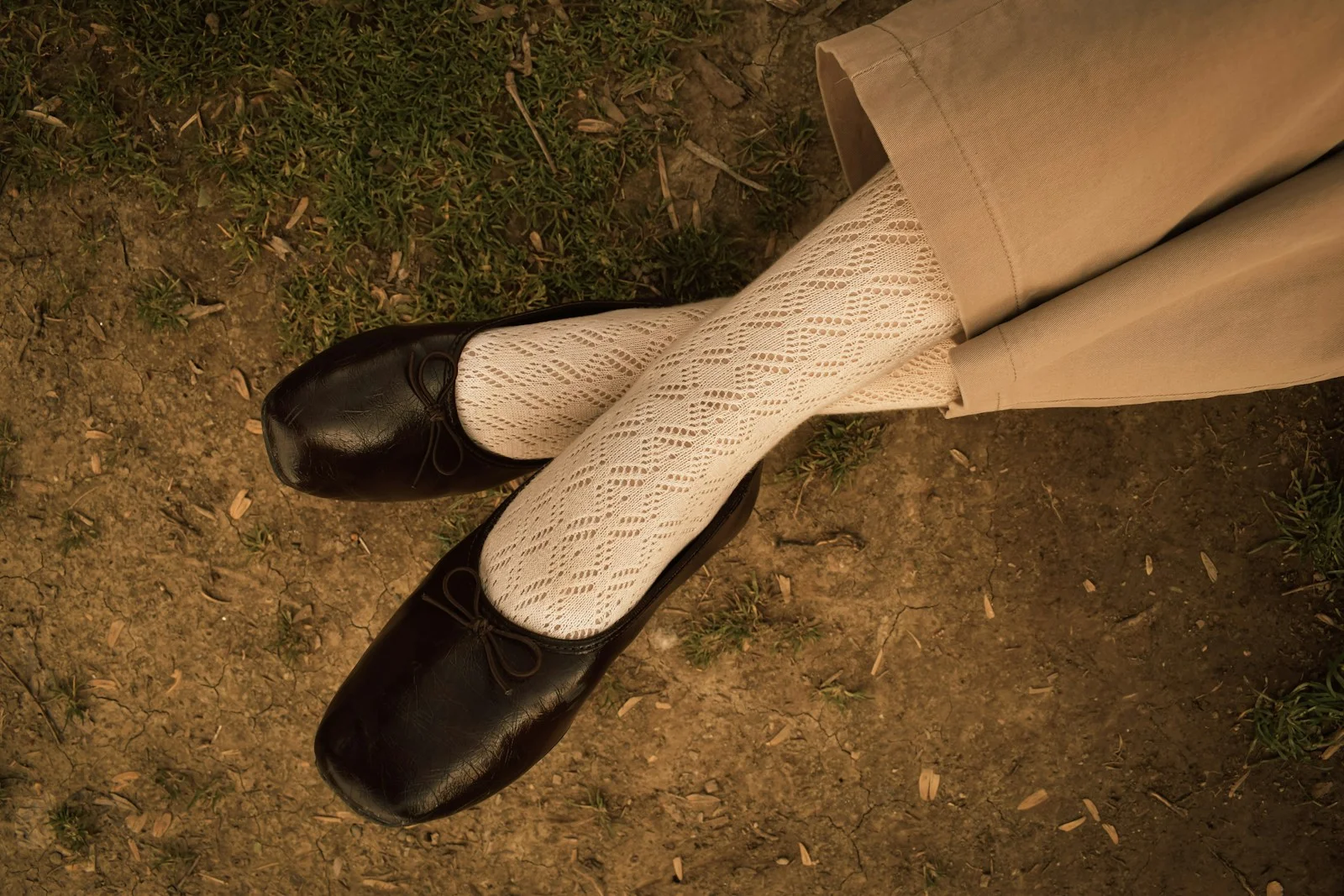
A small wardrobe count can be a personal experiment in getting dressed. It becomes less useful when the number starts making decisions about clothing required for work. The first boundary is simple: a voluntary style project should define its own scope rather than treat every garment in the home as equally discretionary.
Count a chosen collection, not every obligation
Imagine someone planning a small set of off-duty clothes while also keeping an employer-required uniform. Including that uniform might describe the total number of garments they store, but it would not measure the same choices as an off-duty collection. Neither definition is inherently wrong. Confusion begins when the scope changes halfway through the project and the person feels they have failed a rule they invented.
A clearer description is 'the clothes I choose for ordinary time away from work.' Required workwear can remain in a separate category. That does not mean it takes up no storage or needs no care. It means a personal styling number is not being asked to settle a workplace requirement.
Protective equipment has another purpose
In the United States, OSHA describes personal protective equipment as equipment worn to reduce exposure to workplace hazards, and its overview addresses selection, use, maintenance and training. That purpose is different from creating a visually coordinated collection. A style article cannot determine which equipment a specific job requires or whether an alternative is suitable.
Do not substitute an ordinary fashion item for required protective equipment because its color or shape fits the collection better. Questions about actual work requirements belong with the employer's appropriate safety process and competent guidance. This is not an interpretation of a particular workplace policy, a payment rule or anyone's legal entitlement.
Three separate headings are enough
For the hypothetical wardrobe project, a note could use three headings: discretionary off-duty clothing, required ordinary uniform and required protective equipment. The categories need not contain equal numbers, and an item should not be classified as protective equipment just because it looks technical. Leave the actual work classification to the relevant requirements.
This separation also changes a shopping decision. Replacing a worn uniform piece is not evidence that a personal no-buy experiment has failed. Equally, calling a discretionary jacket 'workwear' does not automatically make it a job requirement. The point is an honest account of why an item is present, rather than a way to excuse or police every purchase.
Keep the experiment proportionate
A capsule can help someone think about their preferred colors, repetition or ordinary outfits. It does not need authority over every part of life to be useful. Keep the personal experiment small enough that its rules remain yours, and let necessary work clothing be considered through the requirements that actually govern it.
Sources & further reading
Published sources for the details and examples discussed in this story.